Assess what types of upgrades you plan to do, such as lighting, suspension, or performance mods.
List common tasks like changing lights, installing a lift kit, or adding accessories.
Start by gathering basic hand tools including screwdrivers, pliers, and adjustable wrenches.
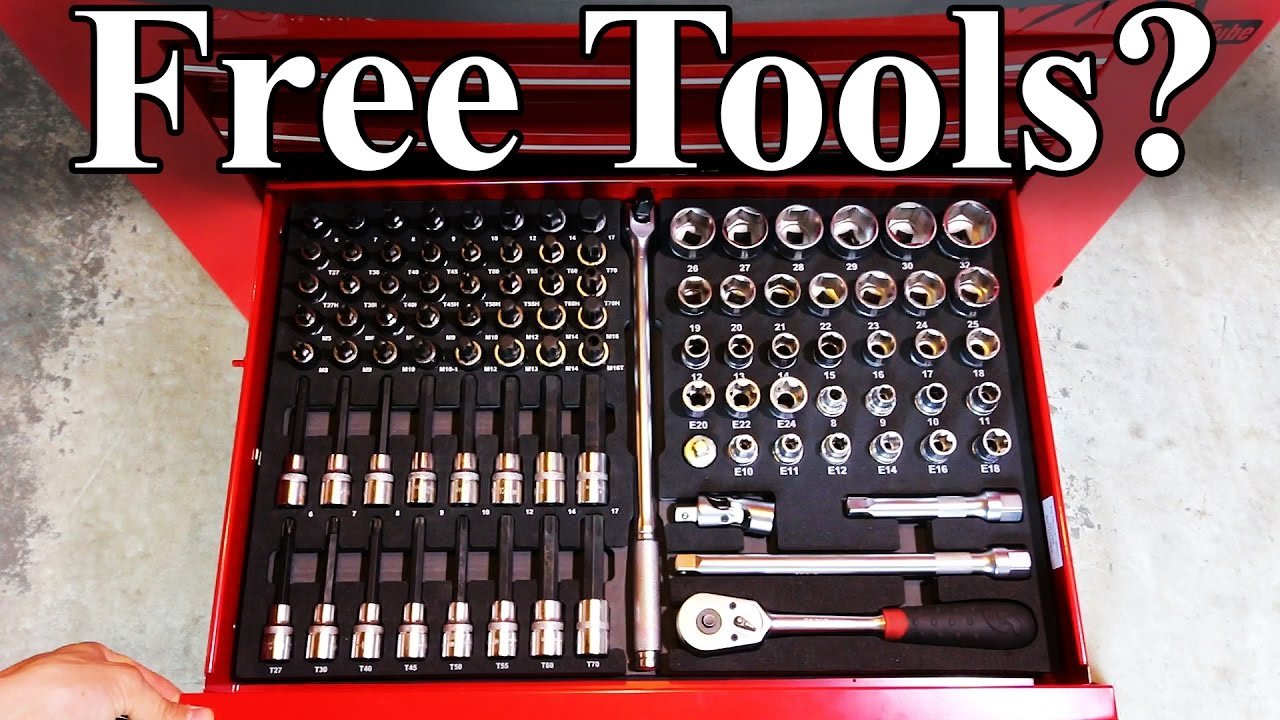
Invest in a quality socket and ratchet set with both metric and SAE sizes.
Add a torque wrench to ensure bolts are tightened to manufacturer specifications.
Purchase a hydraulic jack and a pair of jack stands rated for your truck’s weight.
Use a creeper to comfortably access the underside of your truck.
Buy a multimeter to test voltage, continuity, and diagnose electrical issues.
Include wire strippers, crimpers, and connectors for any wiring modifications.
Stock up on consumables like zip ties, electrical tape, and thread locker.
Keep gloves, shop rags, and safety glasses on hand for protection and cleanliness.
Organize your tools in a sturdy toolbox or tool chest for easy access.
Set up a clean, flat, and well-lit workspace with good ventilation.
Ensure your work area is free of clutter and tripping hazards.
Use wheel chocks and engage the parking brake when lifting the truck.
Always support the truck with jack stands, never rely on the jack alone.
Wear safety glasses and gloves when working with tools or chemicals.
Check tool instructions and truck manuals before starting any upgrade.
Label and store removed parts and fasteners to avoid confusion later.
Clean up your workspace after each project to maintain safety and efficiency.