How do I stop bolts from loosening on truck accessories?

Check out your helpful results below!
Jump to a section, or see what you’ll get:
Jump to:
Scroll for the full guide ↓
  • 🎥 A step-by-step video walkthrough
  • 🧰 A tools & supplies checklist
  • 📋 Clear step-by-step instructions
  • ⚠️ Safety notes + pro tips
  • 🧑‍🔧 Connections to local pros (if you want help)

Video

Don't Let This Be You

Estimated Time:

Difficulty:

Tools

    Materials

      Steps

        Safety Notes

          Pro Tips

            Did this tutorial help?

            Send me this Do It Yourself tutorial via email

            Need a pro

            Need a pro?

            Tell us what went wrong and we’ll connect you with a trusted local pro.

            Please enter your name.
            Enter a valid email.
            Enter a valid phone number.
            Enter your ZIP/postcode.
            Pick a trade.
            Tell us a bit about the issue.
            Image must be under 3 MB.
            By sending, you agree to our Terms and Privacy.
            Free quotes No spam Cancel anytime
            diy4uai21-20
            Socket wrench set, Torque wrench, Wire brush, Rag or shop towel
            Wear gloves and eye protection when working under the vehicle., Ensure the truck is parked on a flat surface with the parking brake engaged., Do not overtighten bolts to avoid damaging threads or components.
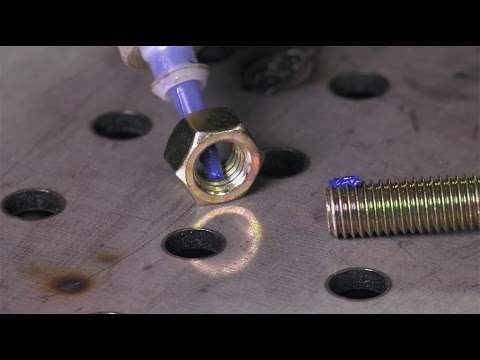
            Inspect all bolts and mounting points on the truck accessory for signs of wear or damage. Remove any loose bolts and clean the threads using a wire brush to remove dirt or rust. Wipe the bolt threads with a clean rag to ensure they are dry and free of oil. Apply a small amount of threadlocker to the cleaned bolt threads according to product instructions. If using lock washers, place them between the bolt head and the mounting surface. Alternatively, use nylon-insert lock nuts to help resist vibration loosening. Reinsert the bolts into their mounting holes and hand-tighten them to start. Use a socket wrench to snug the bolts evenly without cross-threading. Finish tightening the bolts with a torque wrench to the manufacturer’s recommended specification. Avoid over-tightening, which can strip threads or damage components. If using anti-seize compound, apply only to bolts not receiving threadlocker. Double-check all bolts for proper seating and alignment after tightening. Allow the threadlocker to cure for the recommended time before operating the vehicle. Recheck bolt tightness after the first few drives to ensure they remain secure. Repeat the process for all accessory mounting points as needed. Use consistent torque patterns when tightening multiple bolts on a bracket. Replace any damaged or stripped bolts with new ones of the same grade and size. Avoid mixing different types of locking methods on the same bolt unless specified. Store unused threadlocker in a cool, dry place for future use. Keep tools and materials organized to avoid losing small parts during the job.

            Threadlocker (e.g., Loctite), Lock washers, Nylon-insert lock nuts, Anti-seize compound (optional)
            Medium
            Use blue threadlocker for removable bolts and red for permanent applications., Mark bolt heads with a paint pen after torquing to monitor movement over time., Check accessory bolts periodically, especially after off-road use or heavy loads.
            45
            https://www.youtube.com/watch?v=uI-NqNAuVF4
            "https://youtu.be/9n6em1ZBOvI?si=rWqitTC3UuZtYa7y" ​