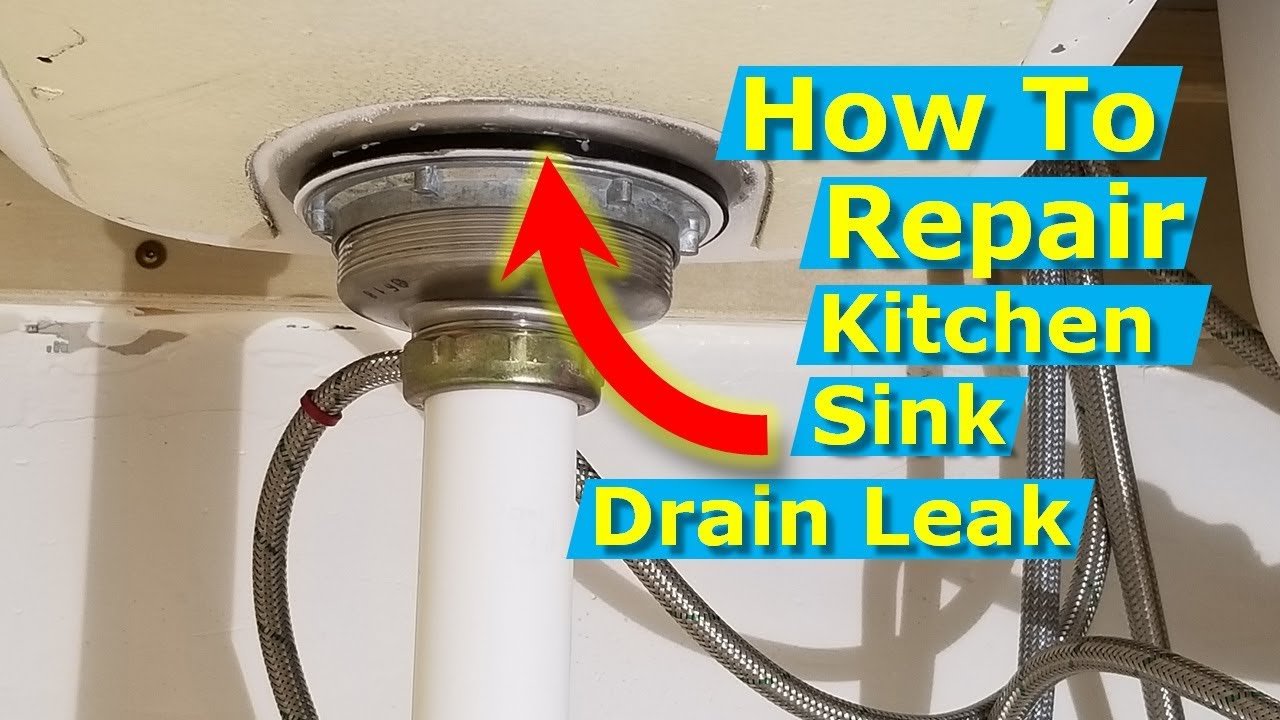
How to fix a leaky sink

Check out your helpful results below!
Jump to a section, or see what you’ll get:
Jump to:
Scroll for the full guide ↓
  • 🎥 A step-by-step video walkthrough
  • 🧰 A tools & supplies checklist
  • 📋 Clear step-by-step instructions
  • ⚠️ Safety notes + pro tips
  • 🧑‍🔧 Connections to local pros (if you want help)

Video

Don't Let This Be You

Estimated Time:

Difficulty:

Tools

    Materials

      Steps

        Safety Notes

          Pro Tips

            Did this tutorial help?

            Send me this Do It Yourself tutorial via email

            Need a pro

            Need a pro?

            Tell us what went wrong and we’ll connect you with a trusted local pro.

            Please enter your name.
            Enter a valid email.
            Enter a valid phone number.
            Enter your ZIP/postcode.
            Pick a trade.
            Tell us a bit about the issue.
            Image must be under 3 MB.
            By sending, you agree to our Terms and Privacy.
            Free quotes No spam Cancel anytime
            diy4uai21-20
            Adjustable wrench, Basin wrench, Screwdriver, Bucket, Flashlight, Plumber's tape
            Always turn off the water supply before starting repairs., Use proper lighting to avoid injury in tight spaces., Be cautious when using tools in confined areas to avoid hand injuries.
            Turn off the water supply valves under the sink to prevent flooding. Open the faucet to release any remaining water pressure in the lines. Place a bucket or towel under the sink to catch any drips or spills. Use a screwdriver to remove the screw holding the faucet handle in place. Gently pull off the faucet handle to expose the valve assembly. Use a wrench or basin wrench to loosen and remove the valve or cartridge. Inspect the valve or cartridge for cracks, corrosion, or worn washers. Replace any damaged washers or install a new cartridge as needed. Clean the valve seat and surrounding area with a cloth to remove debris. Wrap plumber's tape around the threads of the valve to ensure a tight seal. Insert the new or repaired valve back into the faucet body. Tighten the valve securely using a wrench, but avoid over-tightening. Reattach the faucet handle and secure it with the screw you removed earlier. Ensure all parts are aligned properly and seated firmly in place. Turn the water supply valves back on slowly to avoid sudden pressure. Check the faucet for proper operation and ensure water flows smoothly. Inspect the area under the sink for any signs of dripping or leaks. Tighten connections slightly if minor leaks are detected. Wipe down the area and remove tools and materials. Monitor the sink over the next day to ensure the leak is fully resolved.

            Replacement washer or cartridge, Plumber's tape, Cleaning cloth
            Medium
            Take a photo of the faucet assembly before disassembly for reference., Bring the old washer or cartridge to the hardware store to ensure a match., Use plumber's tape on threaded connections to prevent future leaks.
            45
            https://www.youtube.com/watch?v=nBlyqU7NJJI
            if( length(trim() > 0; trim(); "https://youtu.be/9n6em1ZBOvI?si=rWqitTC3UuZtYa7y" )