How to Replace a Kitchen Faucet

Check out your helpful results below!
Jump to a section or preview what’s included.
Jump to:
Scroll for the full guide ↓
  • 🎥 A step-by-step video walkthrough
  • 🧰 A tools & supplies checklist
  • 📋 Clear step-by-step instructions
  • ⚠️ Safety notes + pro tips
  • 🧑‍🔧 Optional help from a local pro

Video

Don't Let This Be You

Estimated Time:

Difficulty:

Tools

    Materials

      Steps

        Safety Notes

          Pro Tips

            Did this tutorial help?

            Send me this Do It Yourself tutorial via email

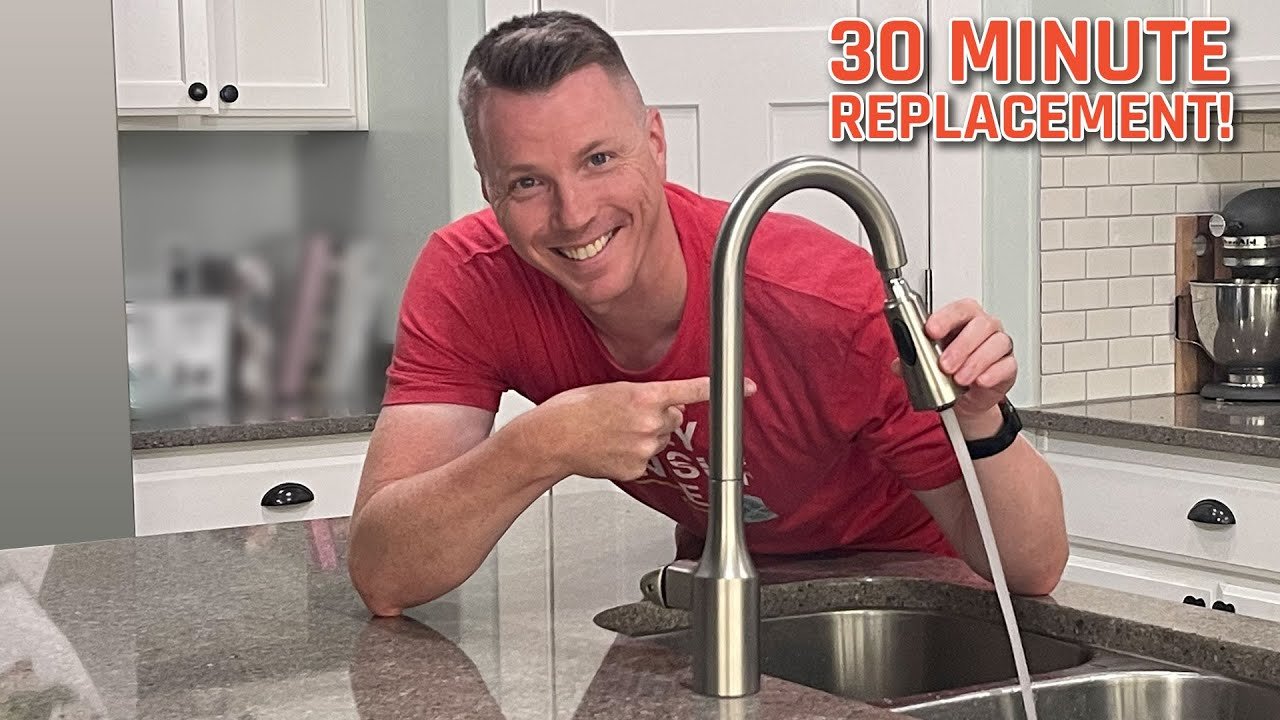
            YouTube thumbnail unFBrfqYWOM

            Need help from a local pro?

            Get free quotes for this job without leaving DIY4UAI.

            Get free quotes

            Adjustable wrench, Basin wrench, Bucket, Towel, Screwdriver, Plumber's tape
            Always turn off water supply valves before starting., Use a towel and bucket to catch any residual water., Ensure the faucet is securely mounted to prevent leaks., Avoid overtightening connections to prevent damage.
            Turn off the hot and cold water supply valves under the sink. Open the existing faucet to relieve any remaining water pressure. Place a bucket and towel under the sink to catch any water drips. Use an adjustable wrench to disconnect the water supply lines from the faucet. Use a basin wrench to loosen and remove the mounting nuts securing the old faucet. Lift the old faucet out from the top of the sink and set it aside. Clean the sink surface thoroughly to remove old sealant or debris. Insert the new faucet through the mounting holes in the sink. From underneath, secure the faucet using the provided mounting hardware. Apply plumber's tape to the threads of the faucet connections if needed. Attach the water supply lines to the new faucet using an adjustable wrench. Ensure all connections are hand-tight, then snug with a wrench without over-tightening. Turn on the water supply valves slowly and check for leaks. Inspect all connections under the sink for any signs of dripping. Tighten any leaking connections slightly with a wrench. Turn on the faucet to test both hot and cold water flow. Check for proper water pressure and smooth handle operation. Wipe down the faucet and surrounding area to remove any water or debris. Dispose of the old faucet and packaging materials properly. Monitor the faucet over the next day to ensure no slow leaks develop.

            New kitchen faucet, Plumber's tape, Supply lines (if not included)
            Medium
            Take a photo of the old faucet setup before removal for reference., Use plumber’s tape on threaded connections to prevent leaks., Check if your new faucet includes supply lines before buying extras., Label hot and cold lines to avoid confusion during reconnection.
            90
            https://www.youtube.com/watch?v=unFBrfqYWOM