Connect an OBD2 scanner to the vehicle’s diagnostic port and read the trouble codes.
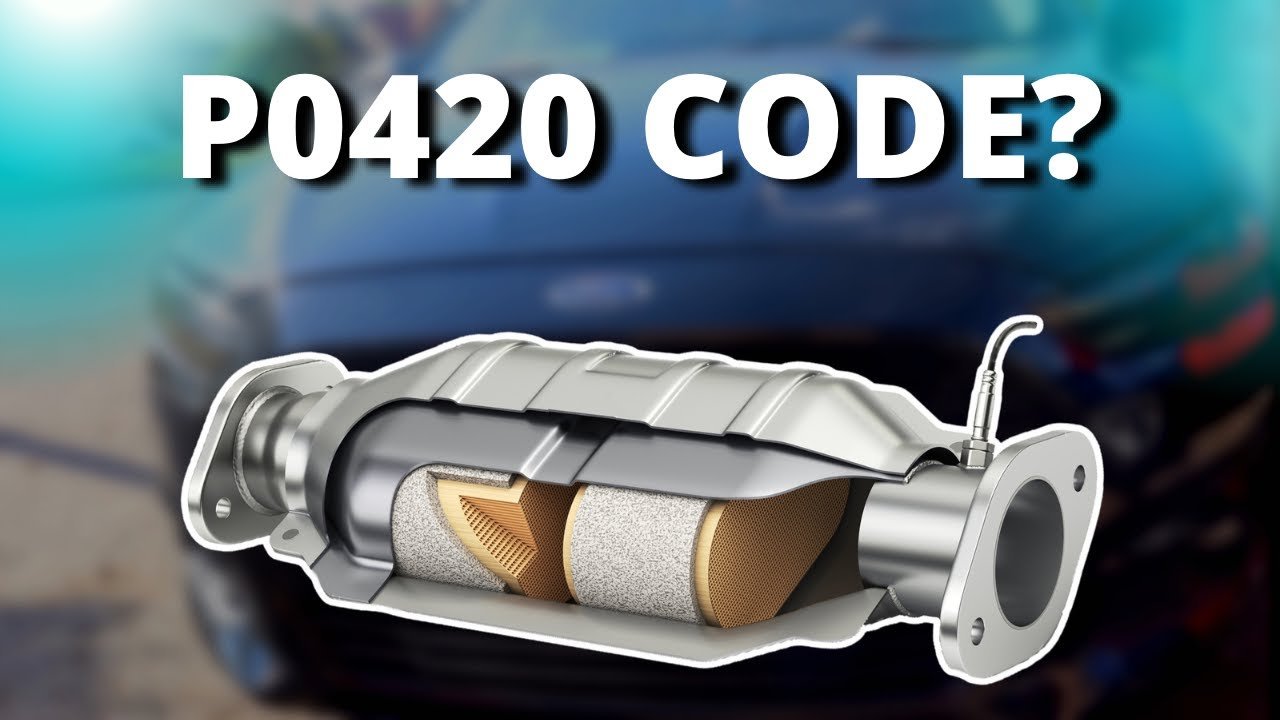
Confirm the presence of code P0420, which indicates catalyst system efficiency below threshold.
Visually inspect the exhaust system for any leaks, cracks, or loose connections.
Use a multimeter or scan tool to check the voltage readings of upstream and downstream oxygen sensors.
Compare sensor readings to determine if the catalytic converter is functioning properly.
If the downstream O2 sensor mimics the upstream sensor, the catalytic converter may be failing.
Test the oxygen sensors individually to verify if one is faulty or slow to respond.
If an oxygen sensor is faulty, disconnect it and replace it with a new one using anti-seize on the threads.
Ensure the engine is cool before working on the exhaust system to avoid burns.
If the catalytic converter is determined to be faulty, raise the vehicle securely using a jack and jack stands.
Remove the bolts securing the catalytic converter and detach it from the exhaust system.
Install the new catalytic converter with a new gasket if required and torque bolts to manufacturer specification.
Reconnect any sensors or components removed during the process.
Double-check all connections and ensure there are no exhaust leaks.
Reconnect the battery if it was disconnected and start the engine.
Use the OBD2 scanner to clear the P0420 code from the ECU.
Take the vehicle for a test drive to allow the ECU to re-monitor the catalytic system.
Rescan the vehicle to ensure the code does not return.
Dispose of the old catalytic converter properly according to local regulations.
Wear safety glasses and gloves throughout the repair to protect against debris and burns.