Measure the length and width of the room to calculate the square footage needed for laminate flooring.
Clean the subfloor thoroughly and ensure it is dry, level, and free of debris or protrusions.
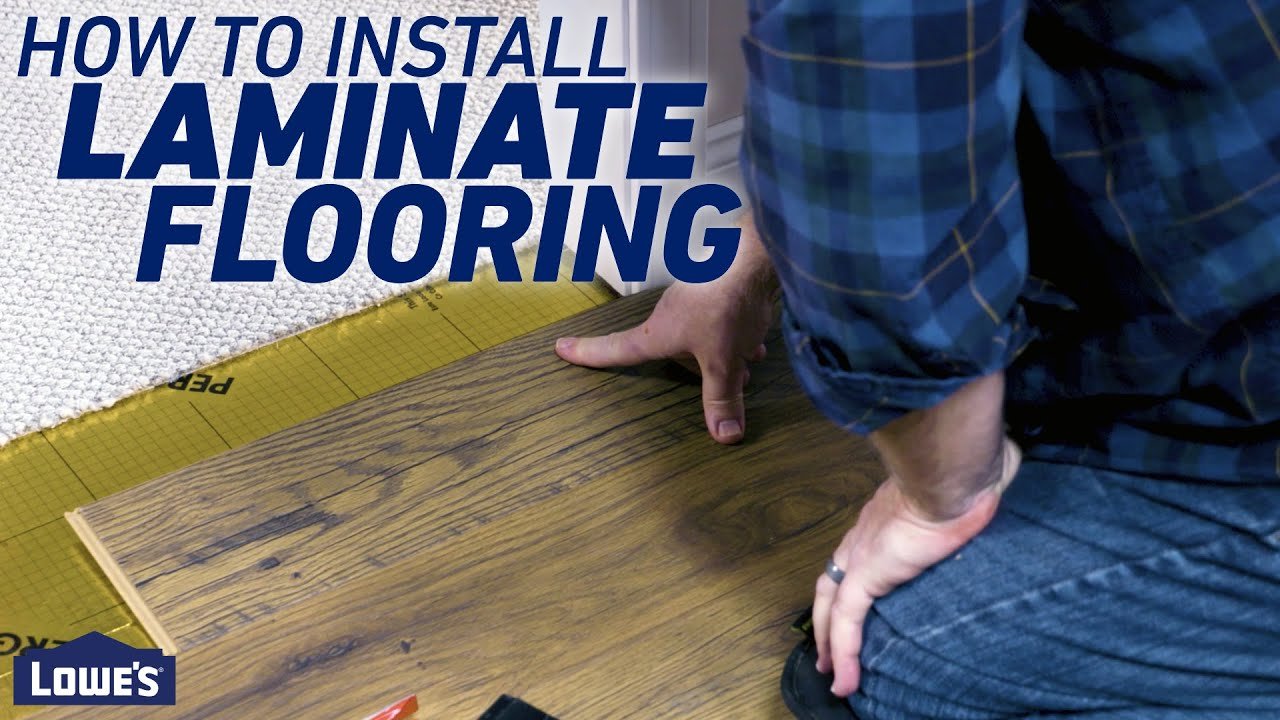
Roll out the underlayment across the floor, trimming to fit and taping seams as needed.
Plan your plank layout to avoid narrow pieces at walls and to stagger joints for strength and appearance.
Place spacers along all walls to maintain a 1/4-inch expansion gap around the perimeter.
Cut the first row of planks to length using a jigsaw, ensuring the cut edge faces the wall.
Lay the first row of planks with the tongue side facing the wall, clicking them together end to end.
Begin the second row with a plank cut to at least 12 inches shorter than the first to stagger joints.
Angle and click each plank into the previous row, ensuring a tight fit with no gaps.
Use a tapping block and rubber mallet to gently tap planks into place without damaging edges.
Measure and cut planks at the end of each row to fit, maintaining the expansion gap.
Use a pull bar to snugly fit planks in tight spaces near walls or doorways.
Continue laying rows, maintaining staggered joints and checking alignment as you go.
Install transition strips where the laminate meets other flooring types or thresholds.
Cut and install quarter round or baseboard molding to cover the expansion gap along walls.
Remove all spacers once the flooring and trim are installed.
Vacuum or sweep the floor to remove dust and debris from installation.