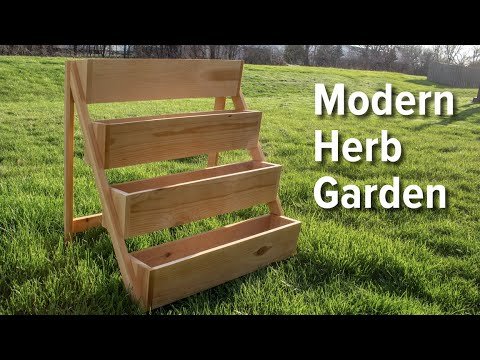
How to build a herb garden

Check out your helpful results below!
Jump to a section or preview what’s included.
Jump to:
Scroll for the full guide ↓
  • 🎥 A step-by-step video walkthrough
  • 🧰 A tools & supplies checklist
  • 📋 Clear step-by-step instructions
  • ⚠️ Safety notes + pro tips
  • 🧑‍🔧 Optional help from a local pro

Video

Don't Let This Be You

Estimated Time:

Difficulty:

Tools

    Materials

      Steps

        Safety Notes

          Pro Tips

            Did this tutorial help?

            Send me this Do It Yourself tutorial via email

            YouTube thumbnail pxdrXGy2g4Y

            Need help from a local pro?

            Get free quotes for this job without leaving DIY4UAI.

            Get free quotes

            Garden trowel, Hand rake, Watering can, Gloves, Scissors or pruners, Drill (if building planter box)
            Wear gloves when handling soil and compost., Use tools carefully to avoid injury., Ensure containers have proper drainage to prevent mold or root rot., Lift heavy pots with proper posture to avoid back strain.
            Choose a location that receives at least 6 hours of sunlight daily. Select herbs suited to your climate and cooking preferences. Decide whether to use pots, raised beds, or a garden plot. If using containers, add gravel or stones at the bottom for drainage. Mix potting soil with compost and fill your containers or bed. Dig small holes and plant each herb at the same depth as its container. Water the herbs gently but thoroughly after planting. Label each herb with a marker or tag to identify them easily. Place the containers or planter in the chosen sunny location. Check soil moisture daily and water when the top inch feels dry. Use gloves when handling soil or compost to protect your hands. Prune herbs regularly to encourage bushy growth and prevent flowering. Harvest herbs by snipping leaves with scissors or pruners. Avoid overwatering by ensuring proper drainage in all containers. Use mulch around the base of herbs to retain moisture if desired. Rotate containers occasionally to ensure even sun exposure. Clean tools after use to prevent disease spread between plants. Watch for pests and remove them by hand or with organic methods. Fertilize lightly every few weeks with an organic herb fertilizer. Enjoy fresh herbs in your cooking and share extras with friends.

            Herb seeds or starter plants, Potting soil, Compost, Planter boxes or pots, Gravel or drainage stones, Mulch (optional), Wood and screws (if building planter box)
            Medium
            Start with easy herbs like basil, mint, and parsley., Group herbs with similar water needs together., Use self-watering containers to reduce maintenance., Pinch off flower buds to keep herbs producing leaves., Grow mint in a separate pot to prevent it from spreading.
            120
            https://www.youtube.com/watch?v=pxdrXGy2g4Y