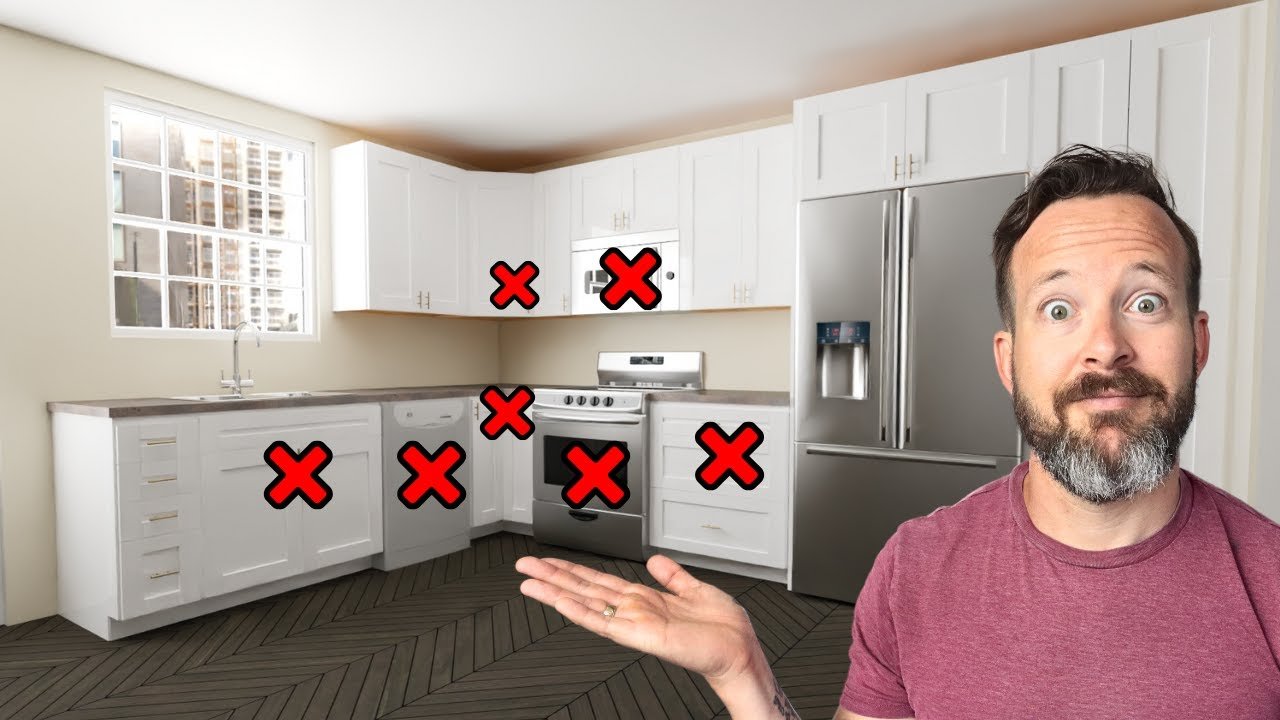
Measure the length, width, and ceiling height of your kitchen using a measuring tape.
Locate and mark existing plumbing, gas lines, and electrical outlets on your layout.
Choose a layout style such as L-shape, U-shape, galley, or island based on space and needs.
Define the work triangle by positioning the sink, stove, and refrigerator for efficient workflow.
Place the refrigerator, stove, and sink in logical, accessible locations within the triangle.
Plan where base and wall cabinets will go, ensuring they fit within the measured space.
Incorporate storage solutions like pantry cabinets, pull-out drawers, and overhead shelves.
Ensure at least 36 inches of clearance between counters and islands for safe movement.
Sketch the layout on graph paper or use kitchen design software for accuracy.
Review the layout for functionality, accessibility, and traffic flow.
Adjust appliance and cabinet placement to improve efficiency or meet space constraints.
Check local building codes for clearance, ventilation, and electrical requirements.
Ensure proper lighting zones are included for prep, cooking, and dining areas.
Account for ventilation needs above the stove, such as a range hood or exhaust fan.
Include space for trash and recycling bins in a convenient but hidden location.
Plan for outlets and switches in accessible and code-compliant locations.
Verify that appliance doors can open fully without obstruction.
Consider ergonomic heights for counters and appliances to reduce strain.
Label all zones clearly on your layout for easy reference during installation.
Finalize the layout and prepare it for contractor review or DIY execution.