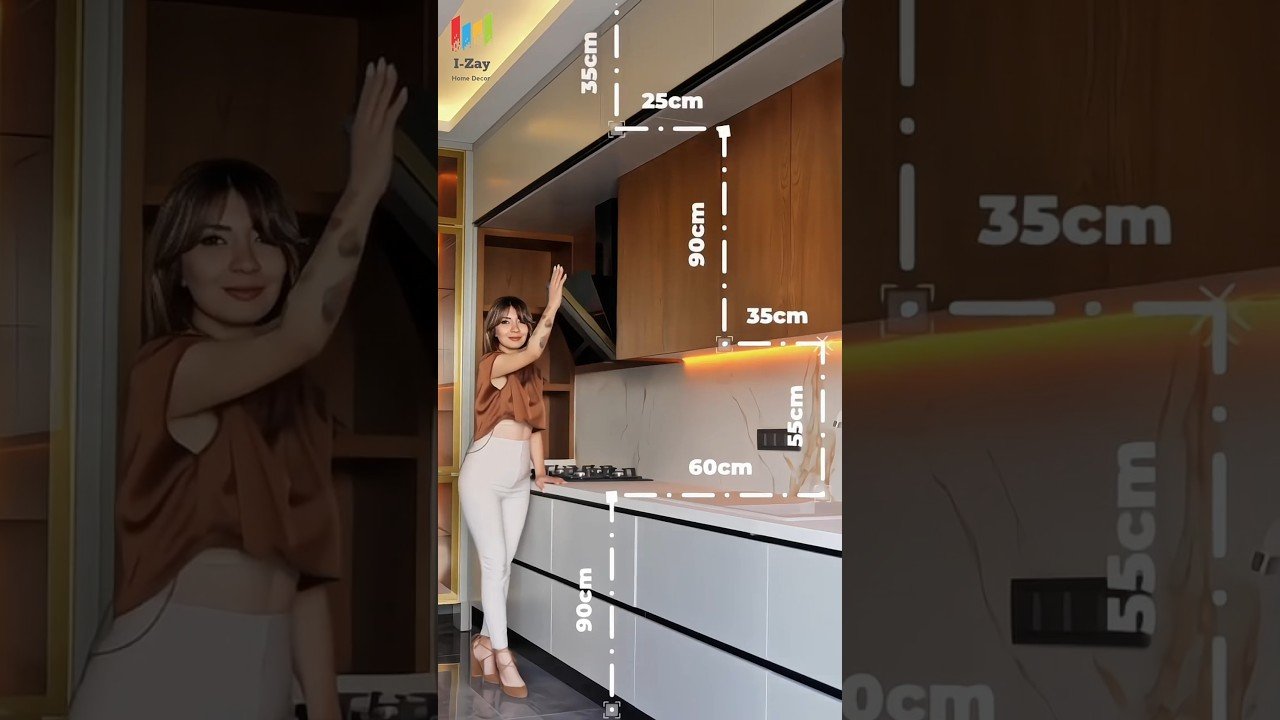
Measure the length, width, and height of your kitchen using a measuring tape.
Mark the positions of doors, windows, and fixed utilities like sink and gas line.
Identify the work triangle: sink, stove, and refrigerator positions for efficient workflow.
Choose a kitchen layout style such as L-shape, U-shape, parallel, or island based on space.
List all essential appliances you plan to include like oven, microwave, and dishwasher.
Select modular cabinet units that fit your layout and appliance choices.
Plan for adequate storage including drawers, tall units, and corner solutions.
Decide on materials for cabinets, countertops, and backsplashes considering durability and budget.
Choose finishes and colors that match your style and are easy to maintain.
Ensure proper ventilation by planning for a chimney or exhaust fan near the cooking area.
Plan lighting zones including task lighting under cabinets and ambient ceiling lights.
Allocate space for plumbing, electrical outlets, and gas lines as per appliance needs.
Sketch the kitchen layout on graph paper or use design software for a visual plan.
Check that cabinet doors and drawers have enough clearance to open fully.
Verify that there is sufficient counter space between appliances for prep work.
Ensure the refrigerator and oven doors can open without obstruction.
Leave enough walking space between counters, ideally at least 3 feet.
Review the plan with a professional or supplier for feasibility and suggestions.
Adjust the design based on feedback and finalize the layout.
Save or print the final plan for reference during installation.