Turn off the car completely and remove the key from the ignition to prevent electrical shock.
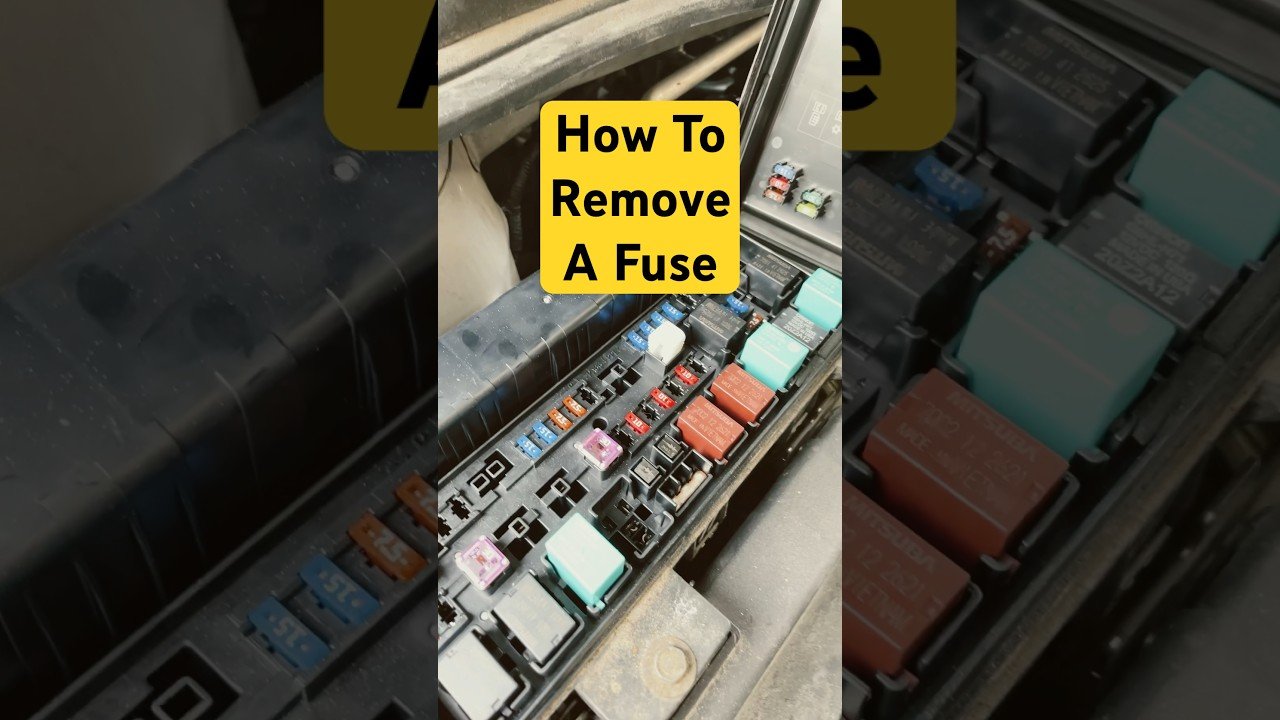
Locate the fuse box; common locations include under the dashboard or in the engine bay.
Use a flashlight if needed and open the fuse box cover carefully.
Refer to the fuse diagram on the cover or owner's manual to identify the correct fuse.
Visually inspect the fuse for a broken or burnt filament indicating it is blown.
Use a fuse puller or needle-nose pliers to gently remove the blown fuse.
Check the amperage rating printed on the fuse and ensure it matches the replacement.
Insert the new fuse of the same amperage into the correct slot firmly.
Ensure the fuse is seated properly and not loose in the socket.
Close the fuse box cover securely to protect it from moisture and debris.
Start the car and test the component or circuit that was not working.
If the new fuse blows again, do not replace it repeatedly; investigate for a deeper electrical issue.
Use a multimeter to test the fuse slot for voltage if the circuit still fails.
Avoid touching metal parts while working to reduce the risk of short circuits.
Wear safety glasses to protect your eyes from accidental sparks or debris.
Dispose of the blown fuse properly and keep spare fuses in your glove box.
Double-check that all tools are removed from the engine bay or footwell before driving.
Consult a mechanic if you're unsure about the fuse location or amperage.