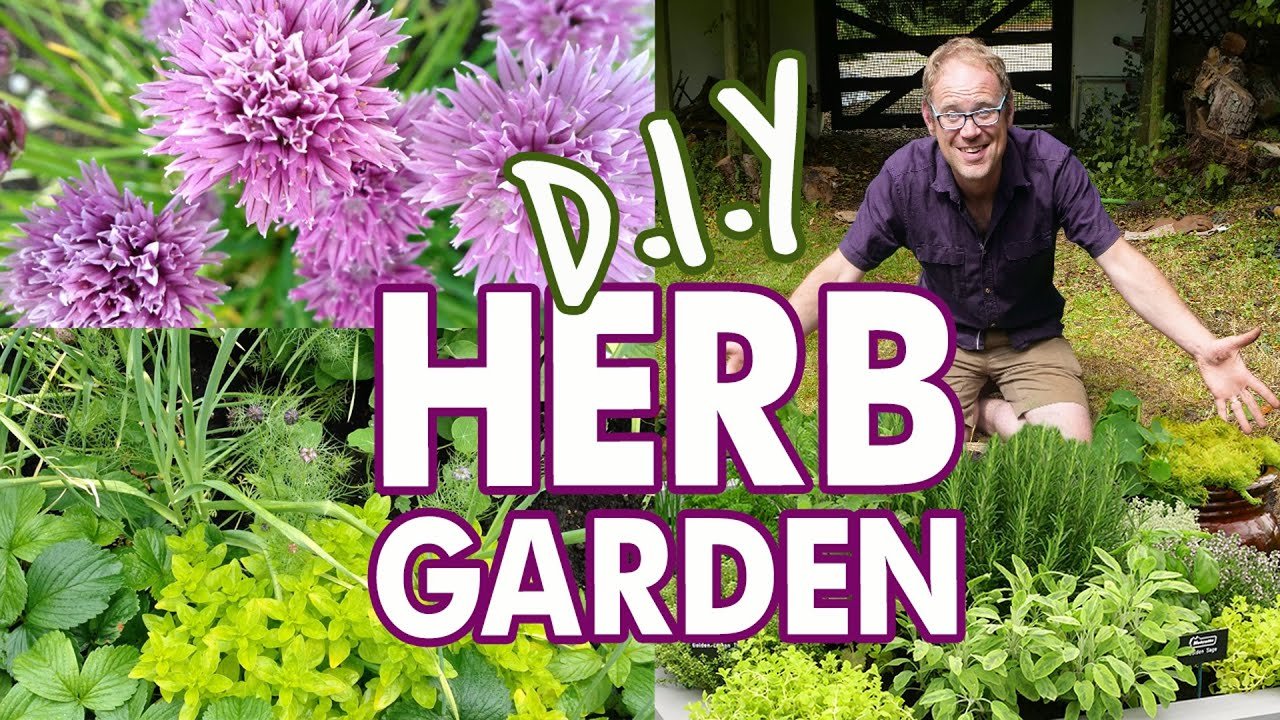
Choose a location that receives at least 6 hours of sunlight daily for optimal herb growth.
Decide whether to use containers, a raised bed, or plant directly in the ground based on space and preference.
Measure and mark the dimensions of your garden area using a measuring tape and stakes.
Use a shovel to remove grass, weeds, and debris from the marked area to prepare the soil.
If building a raised bed, cut wood planks to size and assemble using screws and a drill.
Place landscape fabric at the base of the bed or container to prevent weed growth while allowing drainage.
Fill the bed or containers with nutrient-rich compost or potting soil up to 2 inches from the top.
Plan where each herb will go, grouping by water and sunlight needs and considering mature plant height.
Dig small holes with a trowel and plant herb seedlings or seeds according to package instructions.
Water the herbs thoroughly after planting to help them settle and reduce transplant shock.
Apply a layer of mulch around the herbs to retain moisture and suppress weeds.
Label each herb using garden markers to easily identify them as they grow.
Check soil moisture daily and water when the top inch feels dry to the touch.
Prune herbs regularly to encourage bushy growth and prevent flowering.
Fertilize lightly every few weeks using an organic fertilizer suitable for herbs.
Watch for pests and remove them by hand or use natural deterrents as needed.
Harvest herbs by cutting stems above a leaf node to promote regrowth.
Rotate herbs seasonally or replant annuals as needed to maintain productivity.
Clean tools after use to prevent disease spread between plants.
Store leftover seeds in a cool, dry place for future planting.