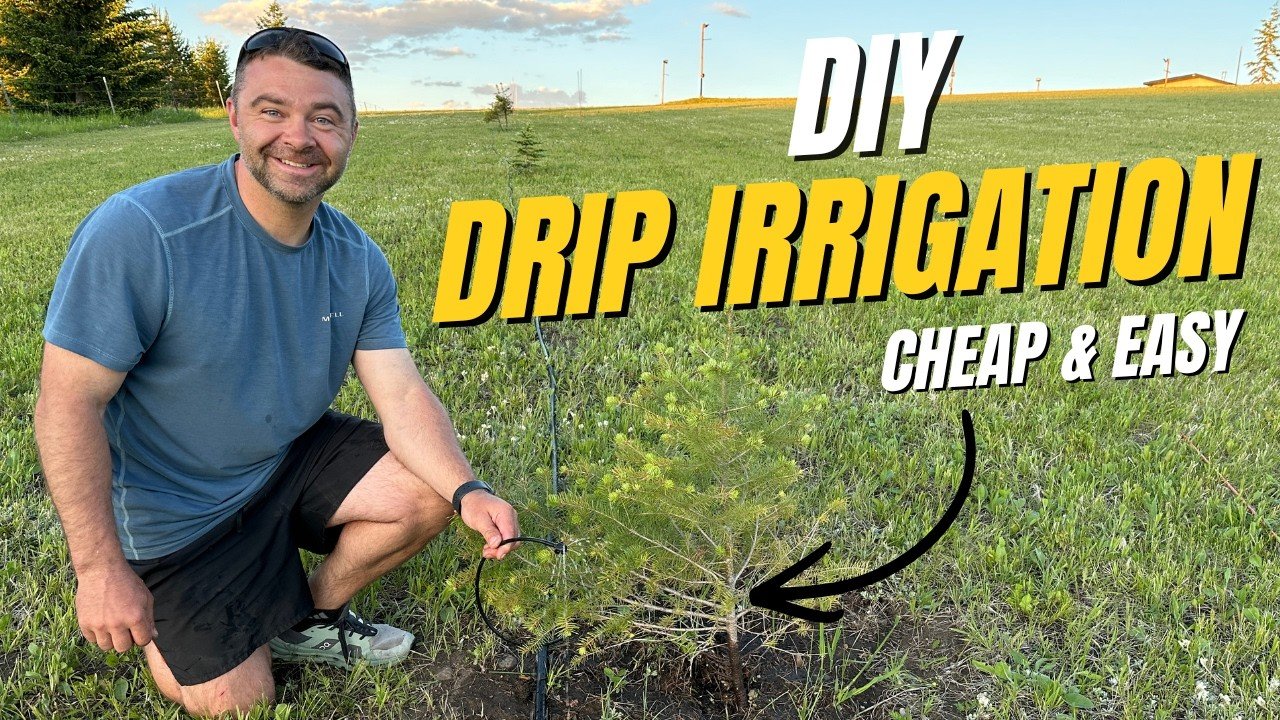
Sketch a layout of your garden and mark where each plant is located.
Measure the total length needed for the main tubing and branches.
Cut the main tubing to the required length using scissors.
Attach the hose adapter to your outdoor faucet or hose bib.
Install a filter and pressure regulator between the faucet and tubing.
Lay the tubing along your planned layout, avoiding sharp bends.
Use a hole punch tool to create holes in the tubing near each plant.
Insert drip emitters into the punched holes firmly to prevent leaks.
Use stakes or tubing holders to secure the tubing in place on the soil.
Attach end caps to the ends of the tubing to prevent water loss.
Turn on the water supply and check the system for leaks or clogs.
Adjust the position of emitters to ensure each plant receives water.
Add branch lines with connectors if needed to reach distant plants.
Ensure the tubing is slightly buried or covered to protect from sun.
Flush the system before final use to remove any debris inside.
Check water pressure and ensure it matches emitter specifications.
Use a timer if desired to automate watering schedules.
Inspect the system weekly for clogs or dislodged emitters.
Clean the filter periodically to maintain water flow.
Store extra parts and tools in a dry place for future maintenance.