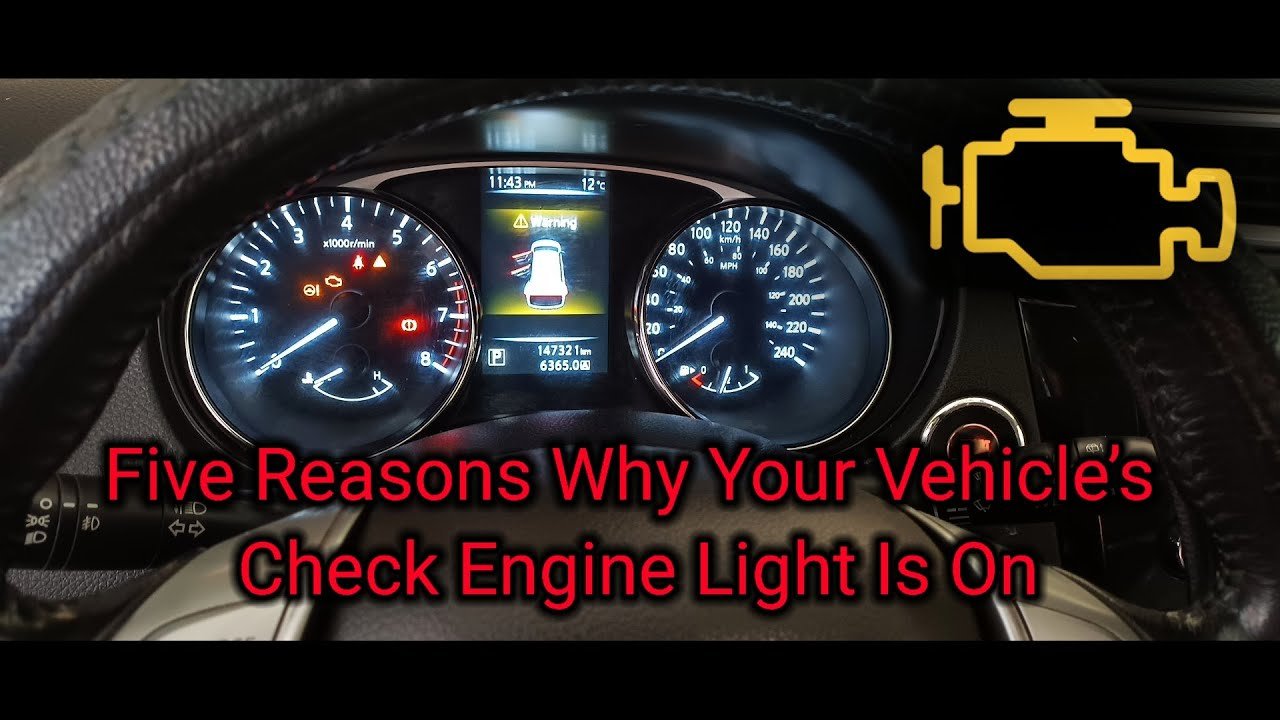
Check engine light what to do

Check out your helpful results below!
Jump to a section or preview what’s included.
Jump to:
Scroll for the full guide ↓
  • 🎥 A step-by-step video walkthrough
  • 🧰 A tools & supplies checklist
  • 📋 Clear step-by-step instructions
  • ⚠️ Safety notes + pro tips
  • 🧑‍🔧 Optional help from a local pro

Video

Don't Let This Be You

Estimated Time:

Difficulty:

Tools

    Materials

      Steps

        Safety Notes

          Pro Tips

            Did this tutorial help?

            Send me this Do It Yourself tutorial via email

            YouTube thumbnail ze6l8Fx1u2I

            Need help from a local pro?

            Get free quotes for this job without leaving DIY4UAI.

            Get free quotes

            OBD-II scanner, Smartphone or laptop (optional)
            Always park on a level surface and engage the parking brake., Do not attempt repairs beyond your skill level., Avoid touching hot engine components., Use gloves and eye protection if working under the hood.
            Park your vehicle on a level surface and engage the parking brake. Turn off the engine and remove the key from the ignition. Locate the OBD-II port, usually under the dashboard near the steering column. Plug the OBD-II scanner securely into the diagnostic port. Turn the ignition key to the ON position without starting the engine. Wait for the scanner to power on and initialize its connection. Use the scanner to read the diagnostic trouble codes (DTCs) stored in the ECU. Write down or save the codes displayed by the scanner. Search online or use the scanner app to find the meaning of each code. Determine if the issue is minor (e.g., loose gas cap) or needs immediate attention. If the issue is minor and resolved, use the scanner to clear the code. If the issue is serious, schedule a repair with a qualified mechanic. Unplug the scanner from the OBD-II port once finished. Start the engine to see if the check engine light remains off. Take the car for a short test drive to confirm the issue is resolved. If the light returns, re-scan and re-evaluate the codes. Avoid driving long distances if the issue is unresolved or serious. Use gloves if working in hot engine areas to avoid burns. Keep the scanner in your glove box for future use. Document the codes and actions taken for future reference.

            Medium
            A loose gas cap is a common cause of the check engine light., Free code scans are often available at auto parts stores., Keep a basic OBD-II scanner in your car for emergencies., Use a scanner with a mobile app for easier code lookup.
            30
            https://www.youtube.com/watch?v=ze6l8Fx1u2I