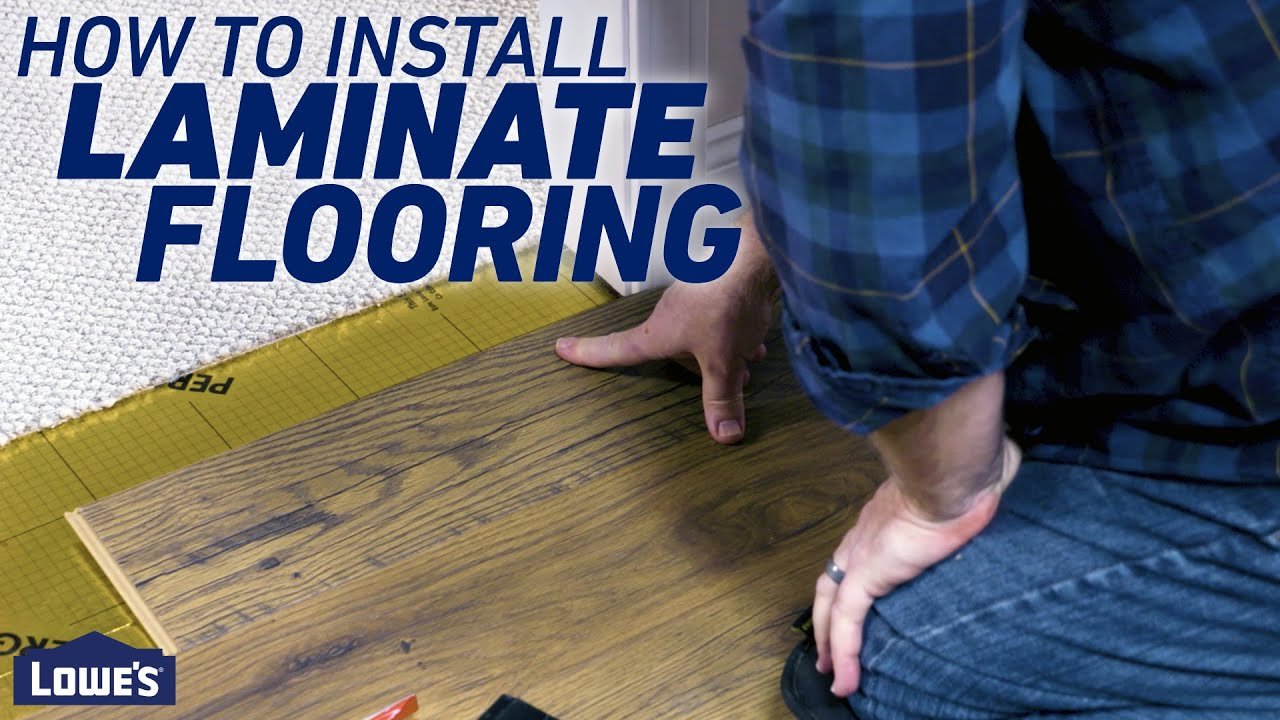
How to install a laminate floor

Check out your helpful results below!
Jump to a section or preview what’s included.
Jump to:
Scroll for the full guide ↓
  • 🎥 A step-by-step video walkthrough
  • 🧰 A tools & supplies checklist
  • 📋 Clear step-by-step instructions
  • ⚠️ Safety notes + pro tips
  • 🧑‍🔧 Optional help from a local pro

Video

Don't Let This Be You

Estimated Time:

Difficulty:

Tools

    Materials

      Steps

        Safety Notes

          Pro Tips

            Did this tutorial help?

            Send me this Do It Yourself tutorial via email

            YouTube thumbnail LJvcMp 21VE

            Need help from a local pro?

            Get free quotes for this job without leaving DIY4UAI.

            Get free quotes

            Tape measure, Utility knife, Rubber mallet, Pull bar, Spacers, Saw (circular or jigsaw), Tapping block, Level, Pencil
            Wear safety glasses when cutting planks., Use a dust mask if cutting generates dust., Ensure power tools are unplugged when not in use., Keep the work area well-ventilated., Turn off the power supply when working near electrical outlets., Handle tools carefully to avoid injury., Follow manufacturer instructions for all tools and materials.
            Clear the room and ensure the subfloor is clean, dry, and level before starting installation. Use a tape measure to measure the room's length and width, then plan the layout for aesthetic and minimal cuts. Roll out the underlayment across the entire floor area, aligning edges and trimming excess as needed. Determine the direction to lay the planks, typically parallel to the longest wall or natural light source. Lay the first row of planks along the starting wall, using spacers to maintain a 1/4 inch expansion gap from the wall. Connect each new plank to the previous one by clicking or locking the tongue and groove system, ensuring tight fit. Place spacers between the planks and walls to keep consistent expansion gaps around the perimeter. Measure and cut planks to fit around obstacles and at the end of rows using a saw, ensuring a snug fit. Install transition strips at doorways and where the laminate meets other flooring types, securing with screws or adhesive. Attach baseboards or molding over the expansion gaps to cover the spacers and give a finished look. Use a broom or vacuum to clean the new floor thoroughly, removing dust and debris. Inspect the entire floor for gaps, loose planks, or other issues, making adjustments as necessary. Ensure all tools and materials are stored safely, and dispose of waste properly. Allow the floor to settle for 24 hours before moving heavy furniture onto it.

            Laminate flooring planks, Underlayment, Transition strips, Baseboards or molding, Adhesive (if needed)
            Medium
            Lay planks in the same direction as natural light for a cohesive look., Use a tapping block to gently lock planks without damaging edges., Check for levelness frequently to prevent uneven flooring., Store planks in the room for 48 hours before installation to acclimate., Use a pull bar to fit last planks tightly in tight spaces., Mark cut lines on planks before cutting for accuracy., Apply adhesive only if specified by the manufacturer.
            180
            https://www.youtube.com/watch?v=LJvcMp_21VE