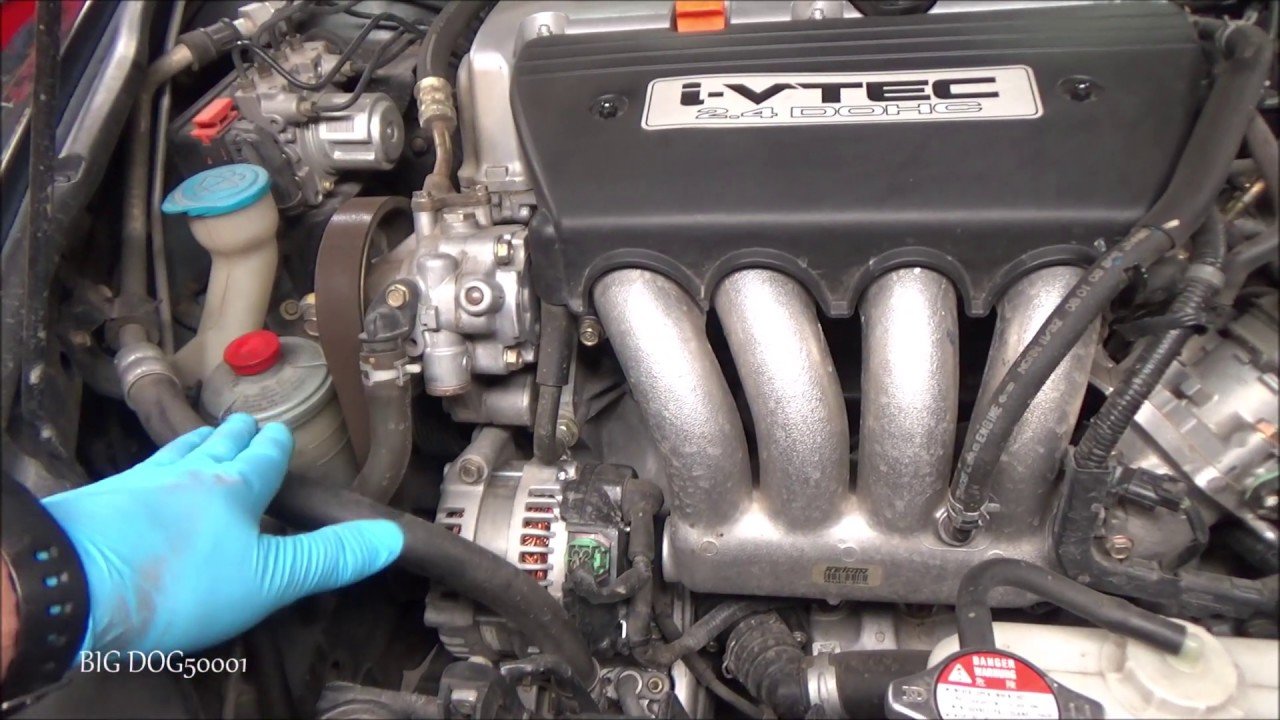
Park your Honda CRV on a flat, level surface and turn off the engine to ensure safety during inspection.
Open the hood and locate the power steering fluid reservoir, usually near the engine and marked clearly.
Remove the reservoir cap and check the fluid level; note if it’s below the minimum mark or if there are visible leaks.
Inspect all hoses connected to the reservoir and steering rack for cracks, bulges, or loose clamps that could cause leaks.
Use a flashlight if needed to get a better view of hidden areas around the hoses and fittings.
If you find a damaged hose or loose clamp, determine if it can be tightened or if the hose needs replacement.
Place a drain pan underneath the reservoir and carefully remove the cap to drain remaining fluid into the container.
Disconnect any damaged hoses or fittings using pliers or screwdrivers, taking care not to damage surrounding components.
Replace damaged hoses or fittings with new ones, ensuring they are properly seated and clamps are tightened securely.
Refill the power steering reservoir with the recommended type of fluid using a funnel to prevent spills.
Start the engine and turn the steering wheel fully left and right to bleed air from the system and circulate the fluid.
Observe the hoses and fittings for any new leaks and verify that the fluid level remains stable during operation.
Replace the reservoir cap, wipe away any spilled fluid, and close the hood securely.
Test drive the vehicle to ensure smooth steering and check again for leaks after the system has warmed up.