Start by locating the specific area of your lower back that is painful to understand the severity.
Apply an ice pack wrapped in a cloth to reduce inflammation for 15-20 minutes every 2 hours.
Switch to a heating pad after the first 48 hours to relax tense muscles and improve blood flow.
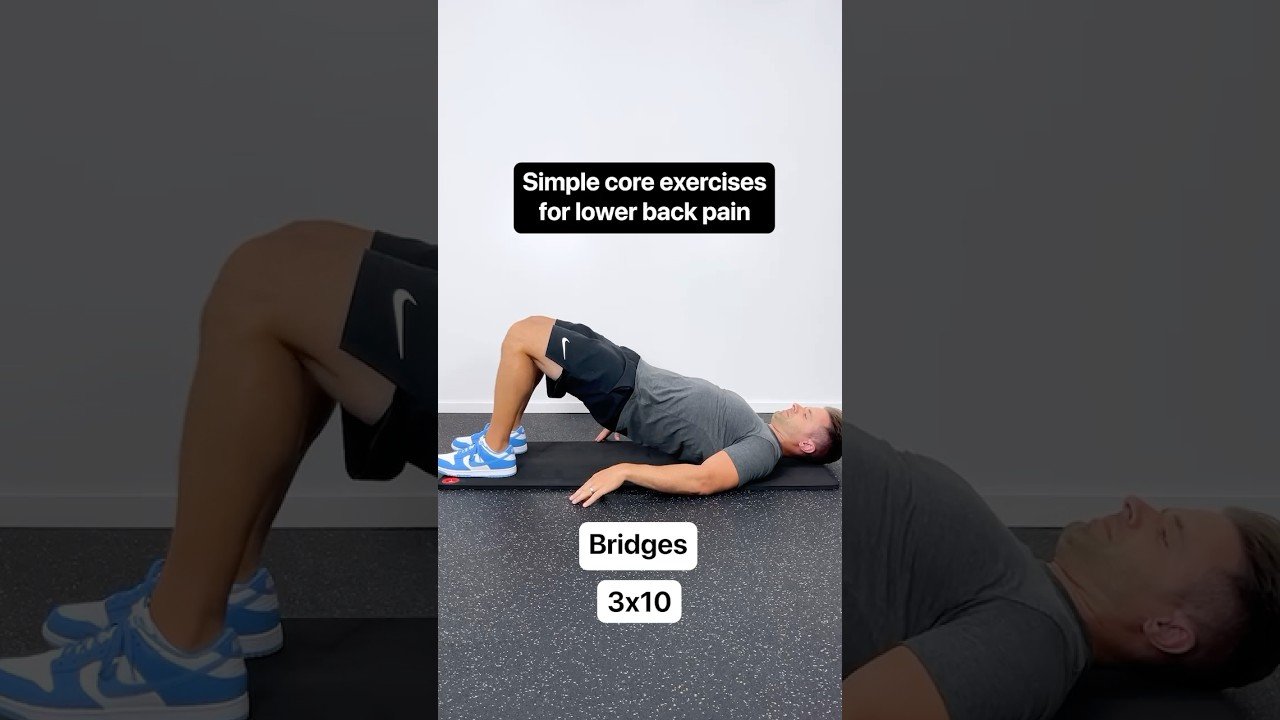
Perform gentle lower back stretches such as knee-to-chest or pelvic tilts to alleviate stiffness.
Practice maintaining proper posture when sitting, standing, and lifting to reduce strain on your back.
Avoid lifting heavy objects or making sudden, jerky movements that could worsen the pain.
Take over-the-counter medications like ibuprofen or acetaminophen as directed for pain relief.
Rest in a comfortable position, but avoid prolonged bed rest to prevent stiffness and weakness.
Use ergonomic supports like lumbar cushions or adjustable chairs to support your lower back during activities.
Ensure your sleeping surface provides proper support, and sleep on your side with a pillow between your knees.
Stay hydrated and maintain a healthy weight to reduce pressure on your lower back.
If pain persists beyond a few days or worsens, consult a healthcare professional for further evaluation.