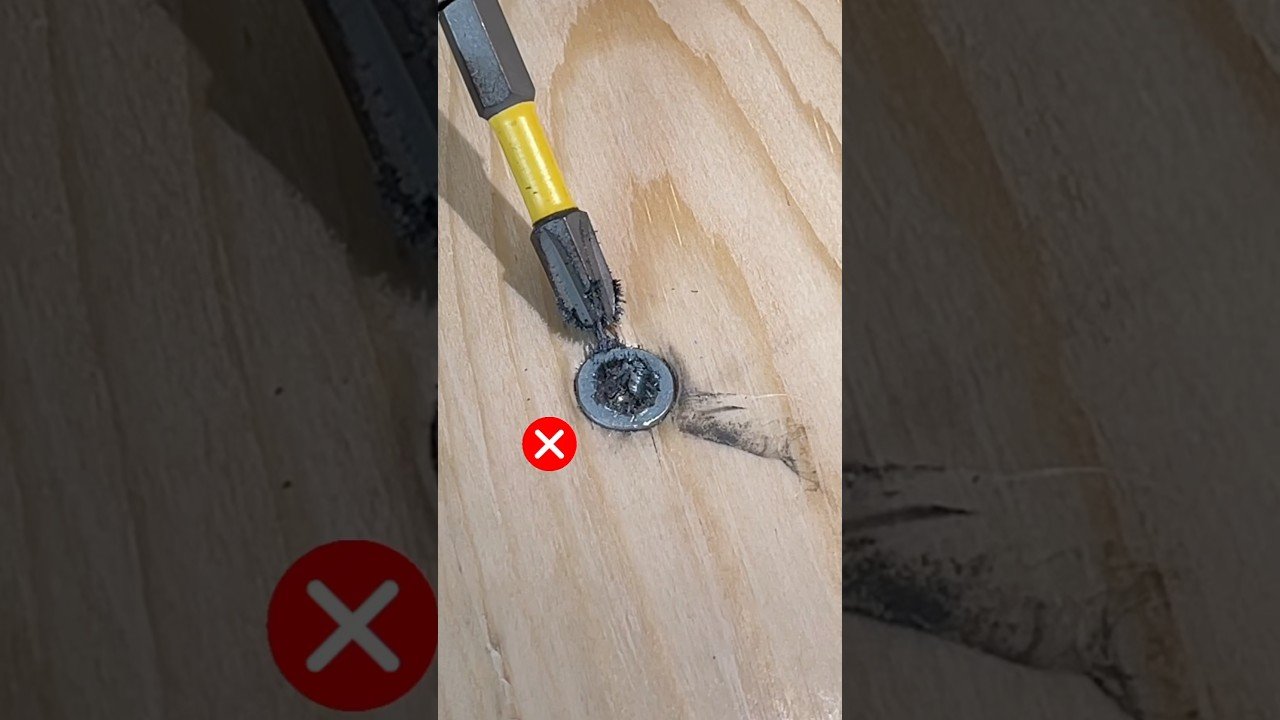
Stripped Screw Hacks

Check out your helpful results below!
Jump to a section or preview what’s included.
Jump to:
Scroll for the full guide ↓
  • 🎥 A step-by-step video walkthrough
  • 🧰 A tools & supplies checklist
  • 📋 Clear step-by-step instructions
  • ⚠️ Safety notes + pro tips
  • 🧑‍🔧 Optional help from a local pro

Video

Don't Let This Be You

Estimated Time:

Difficulty:

Tools

    Materials

      Steps

        Safety Notes

          Pro Tips

            Did this tutorial help?

            Send me this Do It Yourself tutorial via email

            YouTube thumbnail B9MKESoI0 w

            Need help from a local pro?

            Get free quotes for this job without leaving DIY4UAI.

            Get free quotes

            Flathead screwdriver, Rubber band, Pliers, Hammer, Drill, Screw extractor kit
            Always disconnect power before working on electrical fixtures., Wear safety goggles to protect eyes from debris., Use gloves to prevent cuts from sharp tools or metal edges., Ensure tools are in good condition and suitable for the task., Work in a well-ventilated area when using adhesives., Secure the workpiece to prevent slipping during removal., Follow manufacturer instructions for all tools and products.
            Turn off power or water supply if working on electrical or plumbing fixtures for safety. Inspect the screw to determine how badly it is stripped and choose the appropriate method. Place a rubber band flat over the screw head to fill the gaps and improve grip. Firmly press a flathead screwdriver into the rubber band and turn slowly counterclockwise. If the screw slips, grip it with pliers and carefully turn to remove. For stubborn screws, apply super glue to a wooden toothpick, then insert into the screw head and let dry. Once the glue sets, try turning the screw with a screwdriver again. If the screw remains stuck, use a screw extractor kit following the manufacturer's instructions. Drill a small pilot hole into the screw head if necessary to help remove it. Replace the screw with a new one if it cannot be removed or salvaged. Ensure all tools are used with proper safety gear, including gloves and eye protection. Double-check that the area is safe and the screw is fully removed or replaced.

            Rubber band, Wooden toothpick, Super glue, Replacement screw
            Use a fresh rubber band for better grip., Apply a small amount of lubricant if the screw is rusted., Turn the screw slowly to avoid further stripping., Use a screw extractor designed for the screw size., Replace old screws with corrosion-resistant ones for durability., Keep a set of screw extractors handy for future repairs., Practice patience; forcing the screw can cause more damage.
            15
            https://www.youtube.com/watch?v=B9MKESoI0-w