Weigh your body using a reliable scale to determine your current weight in kilograms.
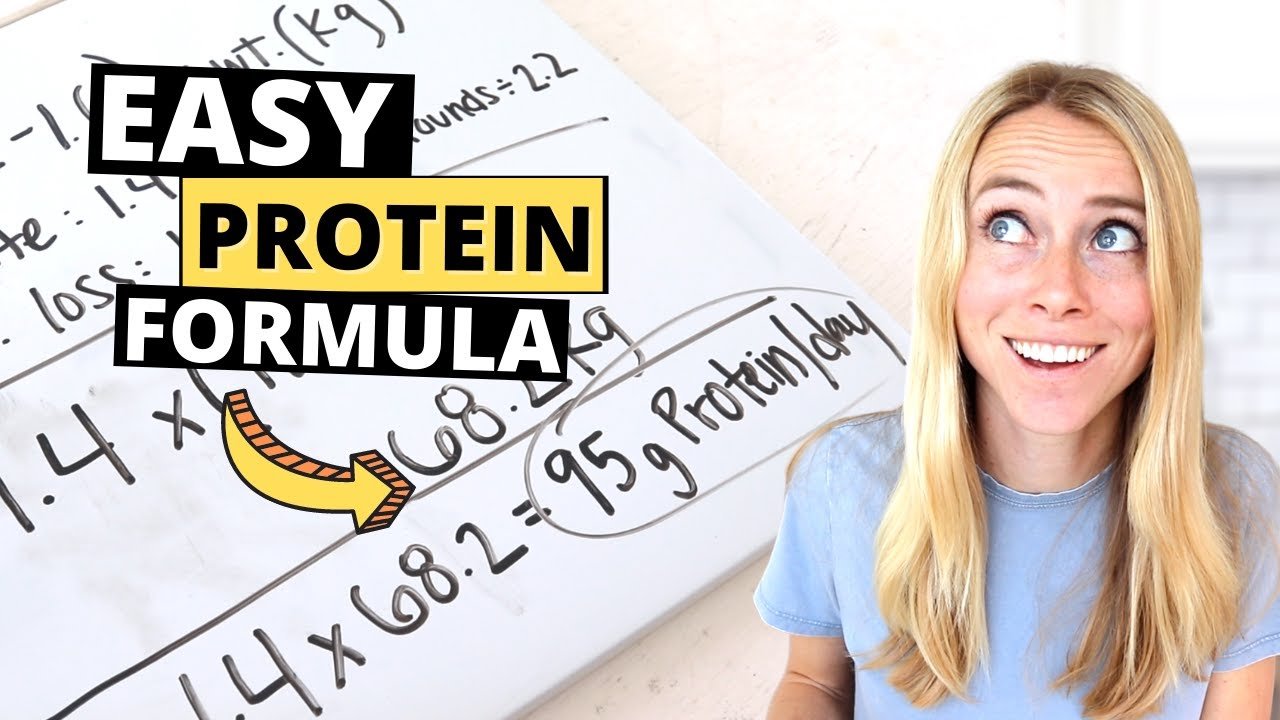
Convert your body weight from pounds to kilograms by dividing by 2.2 if needed.
Select a protein multiplier between 1.6 and 2.2 grams per kilogram based on activity level.
Multiply your weight in kilograms by the protein multiplier to calculate your daily protein goal.
List high quality protein sources such as lean meats, dairy, legumes, and protein powder.
Use a kitchen scale or measuring cups to measure serving sizes for each protein food.
Record each protein serving in a food diary app or spreadsheet to track your intake.
Divide your daily protein goal evenly across three to six meals throughout the day.
Include a protein source in each meal to support muscle recovery and satiety.
Monitor your body weight and body fat percentage weekly for progress.
Adjust your protein target by 10% up or down based on changes in body composition.
Stay well hydrated by drinking water regularly when increasing protein intake.
Consult a registered dietitian or healthcare provider before making significant dietary changes.
Reassess your protein needs every few months or when your activity level changes.