How to Tie-Dye with Natural Ingredients

Check out your helpful results below!
Jump to a section or preview what’s included.
Jump to:
Scroll for the full guide ↓
  • 🎥 A step-by-step video walkthrough
  • 🧰 A tools & supplies checklist
  • 📋 Clear step-by-step instructions
  • ⚠️ Safety notes + pro tips
  • 🧑‍🔧 Optional help from a local pro

Video

Don't Let This Be You

Estimated Time:

Difficulty:

Tools

    Materials

      Steps

        Safety Notes

          Pro Tips

            Did this tutorial help?

            Send me this Do It Yourself tutorial via email

            YouTube thumbnail eenXKb14ARY

            Need help from a local pro?

            Get free quotes for this job without leaving DIY4UAI.

            Get free quotes

            Large stainless steel pot, Tongs, Strainer, Rubber bands, Gloves, Measuring cups, Wooden spoon
            Wear gloves to avoid staining your hands., Use stainless steel or glass containers to prevent unwanted chemical reactions., Ensure good ventilation when boiling natural ingredients., Handle hot dye baths with care to avoid burns.
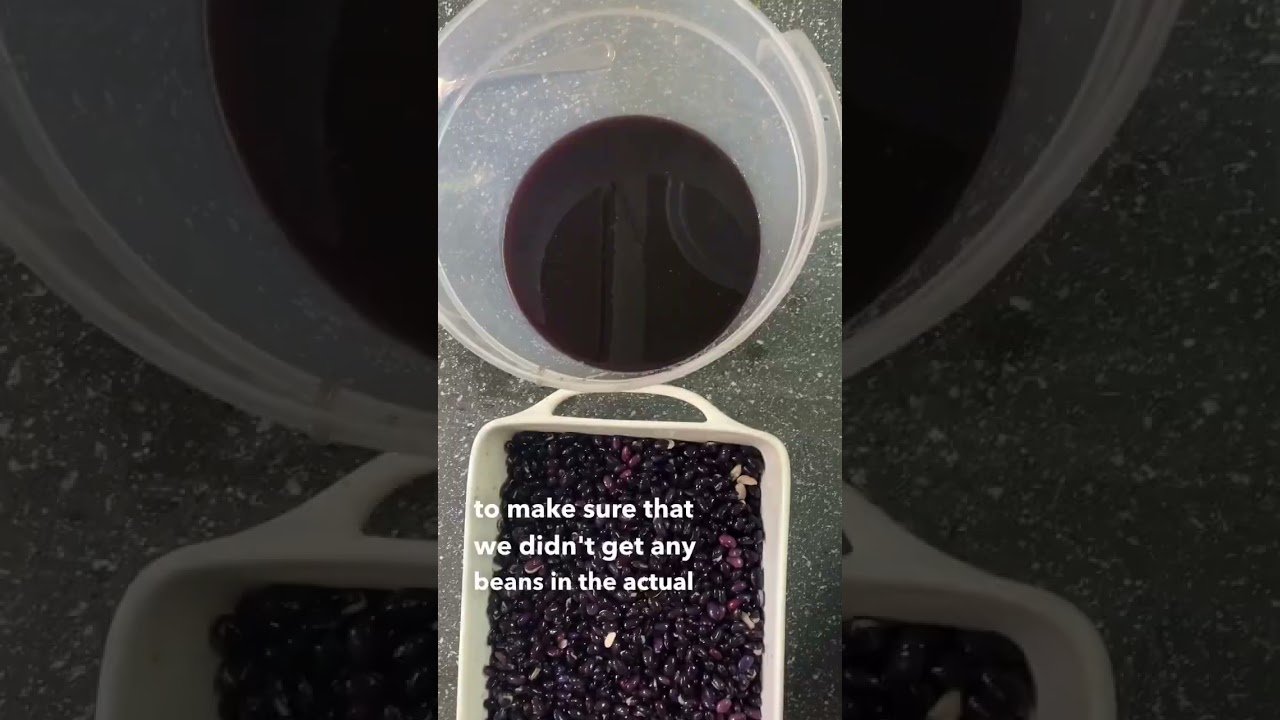
            Wash the fabric in hot water to remove any sizing or chemicals. Chop natural dye ingredients like beets, red cabbage, or avocado pits into small pieces. Place chopped ingredients in a large pot and cover with water. Bring the pot to a boil, then simmer for 30–60 minutes to extract the dye. Strain the liquid through a fine strainer to remove solids and collect the dye. Prepare a mordant bath using vinegar for plant dyes or salt for berry-based dyes. Soak the fabric in the mordant solution for at least one hour to help the dye adhere. Twist, fold, or scrunch the fabric and secure it with rubber bands to create patterns. Put on gloves to protect your hands from staining. Dip the bound fabric into the natural dye bath, fully submerging it. Let the fabric soak in the dye for 30 minutes to several hours depending on desired intensity. Stir occasionally to ensure even dye coverage. Remove the fabric from the dye bath using tongs and let excess dye drip off. Rinse the fabric gently in cold water until the water runs clear. Carefully remove the rubber bands to reveal the tie-dye pattern. Hang the fabric to air dry completely in a shaded area. Once dry, rinse the fabric again in cold water to help set the dye. Allow the fabric to dry again before using or wearing. Wash separately the first few times to prevent color bleeding. Store leftover dye in a sealed container in the fridge for future use.

            White cotton fabric or T-shirt, Turmeric, Red cabbage, Beets, Avocado pits, Vinegar, Salt, Water
            Medium
            Use 100% cotton fabric for best dye absorption., Experiment with different folding techniques for unique patterns., Add baking soda or vinegar to shift the pH and change dye colors., Let fabric soak longer for deeper, richer colors.
            180
            https://www.youtube.com/watch?v=eenXKb14ARY