Turn off the engine and remove the key from the ignition to ensure safety.
Put on gloves and safety glasses to protect your hands and eyes from acid or debris.
Open the hood and locate the car battery, usually near the front of the engine bay.
Identify the negative battery terminal, typically marked with a minus sign or black cable.
Use a wrench to loosen and disconnect the negative battery cable first to prevent short circuits.
Loosen and disconnect the positive battery cable, usually marked with a plus sign or red cable.
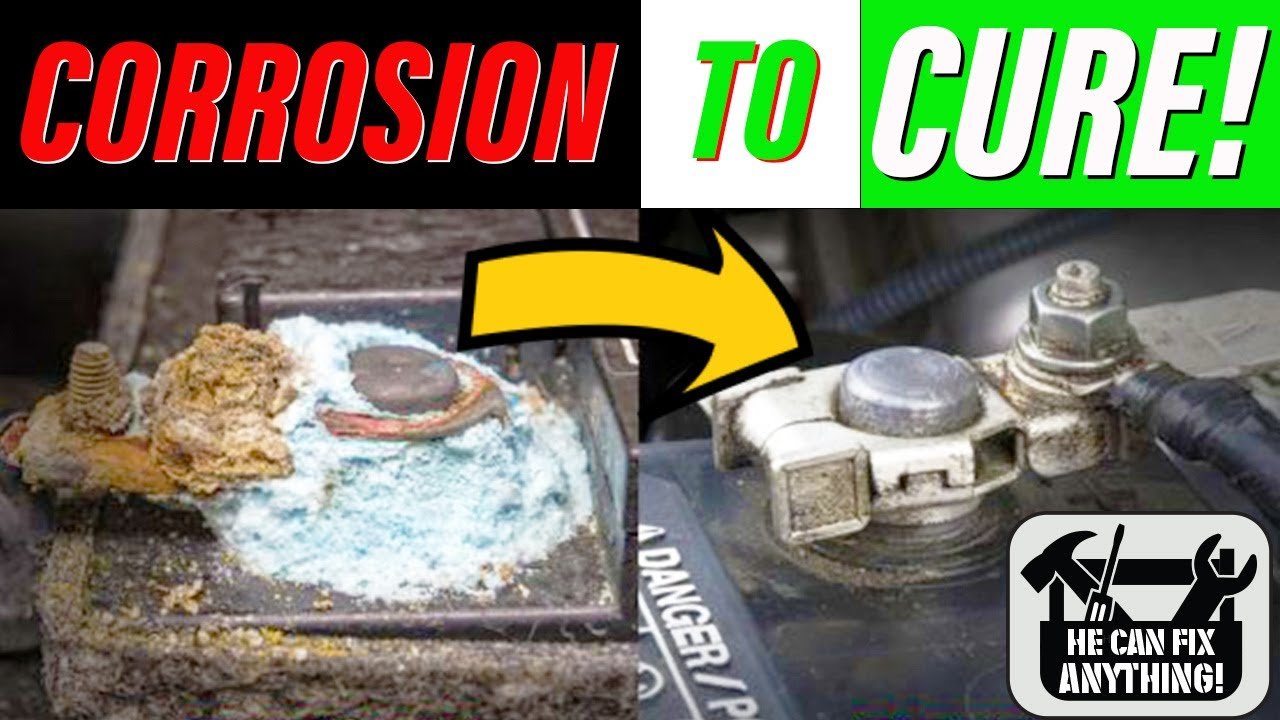
Inspect both battery terminals and cable ends for white, green, or bluish corrosion buildup.
Mix a tablespoon of baking soda with a cup of water to create a cleaning solution.
Dip an old toothbrush or battery terminal brush into the solution.
Scrub the corroded terminals and cable ends thoroughly to remove all buildup.
Rinse the terminals with clean water and dry them with a paper towel or rag.
Apply a small amount of petroleum jelly or terminal protector to each terminal to prevent future corrosion.
Reconnect the positive battery cable and tighten it securely with a wrench.
Reconnect the negative battery cable and tighten it securely as well.
Ensure both cables are firmly attached and do not move when tugged gently.
Double-check that no tools or rags are left in the engine bay before closing the hood.
Start the car to confirm the battery is functioning properly and the connection is solid.
If the car does not start, recheck the cable connections and clean again if needed.
Dispose of any used paper towels or rags contaminated with battery residue safely.
Wash your hands thoroughly after completing the task, even if you wore gloves.