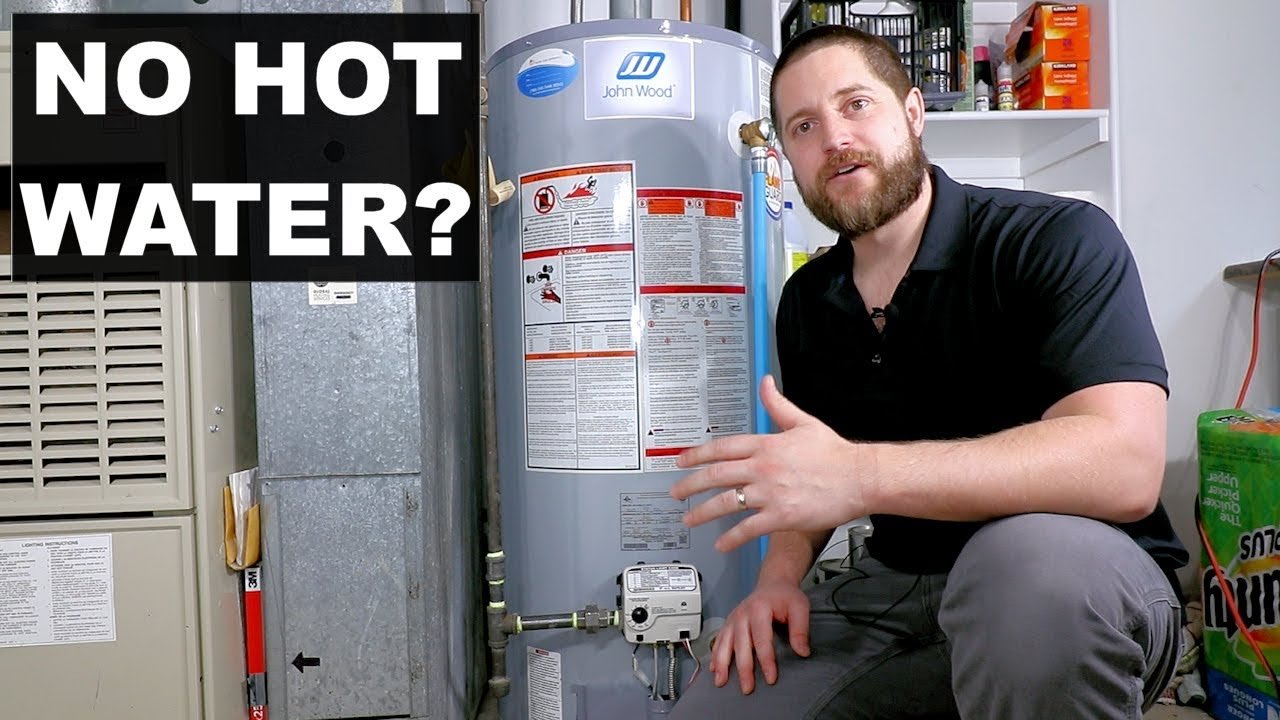
Water heater not hot

Check out your helpful results below!
Jump to a section, or see what you’ll get:
Jump to:
Scroll for the full guide ↓
  • 🎥 A step-by-step video walkthrough
  • 🧰 A tools & supplies checklist
  • 📋 Clear step-by-step instructions
  • ⚠️ Safety notes + pro tips
  • 🧑‍🔧 Connections to local pros (if you want help)

Video

Don't Let This Be You

Estimated Time:

Difficulty:

Tools

    Materials

      Steps

        Safety Notes

          Pro Tips

            Did this tutorial help?

            Send me this Do It Yourself tutorial via email

            Need a pro

            Need a pro?

            Tell us what went wrong and we’ll connect you with a trusted local pro.

            Please enter your name.
            Enter a valid email.
            Enter a valid phone number.
            Enter your ZIP/postcode.
            Pick a trade.
            Tell us a bit about the issue.
            Image must be under 3 MB.
            By sending, you agree to our Terms and Privacy.
            Free quotes No spam Cancel anytime
            diy4uai21-20
            Multimeter, Screwdriver set, Adjustable wrench, Flashlight
            Always turn off power at the breaker before opening the water heater., Use a voltage tester to confirm power is off before touching wires., Wear insulated gloves and safety glasses when working with electrical components., Allow the heater to cool before touching any internal parts.
            Turn off the power to the water heater at the circuit breaker to ensure safety. Verify the breaker is off using a non-contact voltage tester before proceeding. Inspect the circuit breaker to ensure it hasn’t tripped; reset if necessary. Remove the upper and lower access panels on the water heater using a screwdriver. Use a multimeter to test the upper heating element for continuity. Test the lower heating element with the multimeter to check for continuity. Use the multimeter to test the upper thermostat for proper function. Test the lower thermostat to ensure it is operating correctly. Press the red reset button on the high-temperature cutoff switch if it has tripped. If a heating element is faulty, drain the tank and replace it using an adjustable wrench. Wrap new heating element threads with Teflon tape before installing. If a thermostat is faulty, disconnect wires and replace it with a matching model. Reconnect all wires securely to the new thermostat or heating element. Reinstall the insulation and access panels securely with screws. Turn the power back on at the circuit breaker. Wait several hours for the water to reach the desired temperature. Turn on a hot water faucet to check if the water is heating properly. Monitor the heater for any unusual noises or leaks after repair. If the issue persists, consult a licensed plumber or electrician. Always follow manufacturer instructions for part replacement and safety.

            Replacement heating element (if needed), Thermostat (if needed), Teflon tape
            Medium
            Label wires before disconnecting to ensure correct reconnection., Take photos of wiring before removal for reference., Replace both thermostats or elements at once if one has failed., Flush the tank annually to extend the life of heating elements.
            90
            https://www.youtube.com/watch?v=_XYCVgsPu1U
            if( length(trim() > 0; trim(); "https://youtu.be/9n6em1ZBOvI?si=rWqitTC3UuZtYa7y" )