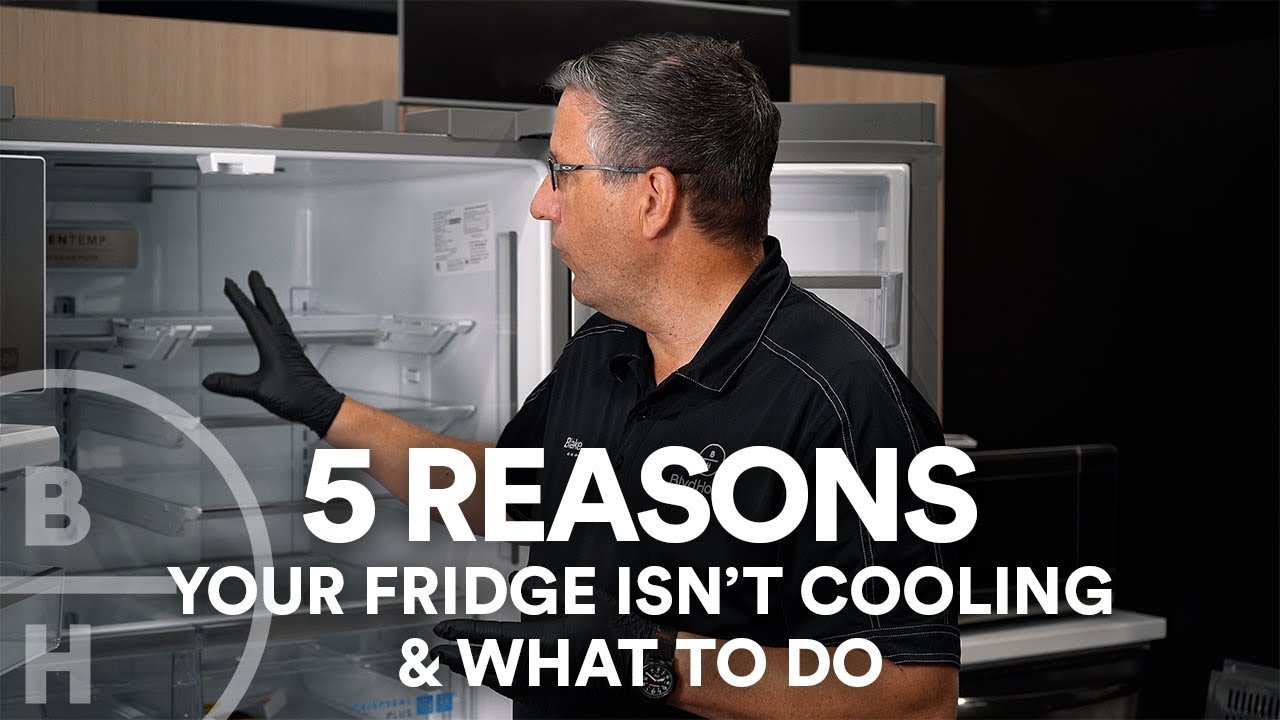
Verify the refrigerator is plugged in and the outlet is working by testing with another device.
Inspect the temperature settings to ensure they are not accidentally set too high.
Unplug the fridge and clean the condenser coils using a vacuum or coil brush to remove dust buildup.
Examine the door seals for cracks or gaps and clean them to ensure a tight seal.
Make sure the fridge is not overloaded and that air vents inside are not blocked.
Listen for the evaporator fan when the fridge door is closed; replace if not running.
Check if the condenser fan near the compressor is running; replace if faulty.
Unplug the fridge and test the start relay with a multimeter; replace if defective.
Test the thermostat for continuity using a multimeter; replace if it fails the test.
If frost buildup is visible, unplug the fridge and allow it to defrost completely.
Test the defrost timer by manually advancing it to see if the heater activates.
Plug the fridge back in and monitor for cooling improvement after each step.
Ensure the fridge has at least a few inches of clearance from the wall for airflow.
Check for any unusual noises or burning smells near the compressor area.
Inspect the back panel inside the freezer for frost buildup indicating airflow issues.
Use a flashlight to inspect internal vents for ice blockages or obstructions.
Replace the air filter if your model includes one and it appears dirty or clogged.
Reset the fridge by unplugging it for 5 minutes and plugging it back in.
Wait 24 hours after adjustments to see if cooling resumes before proceeding.
Contact a certified technician if the issue persists after all troubleshooting steps.