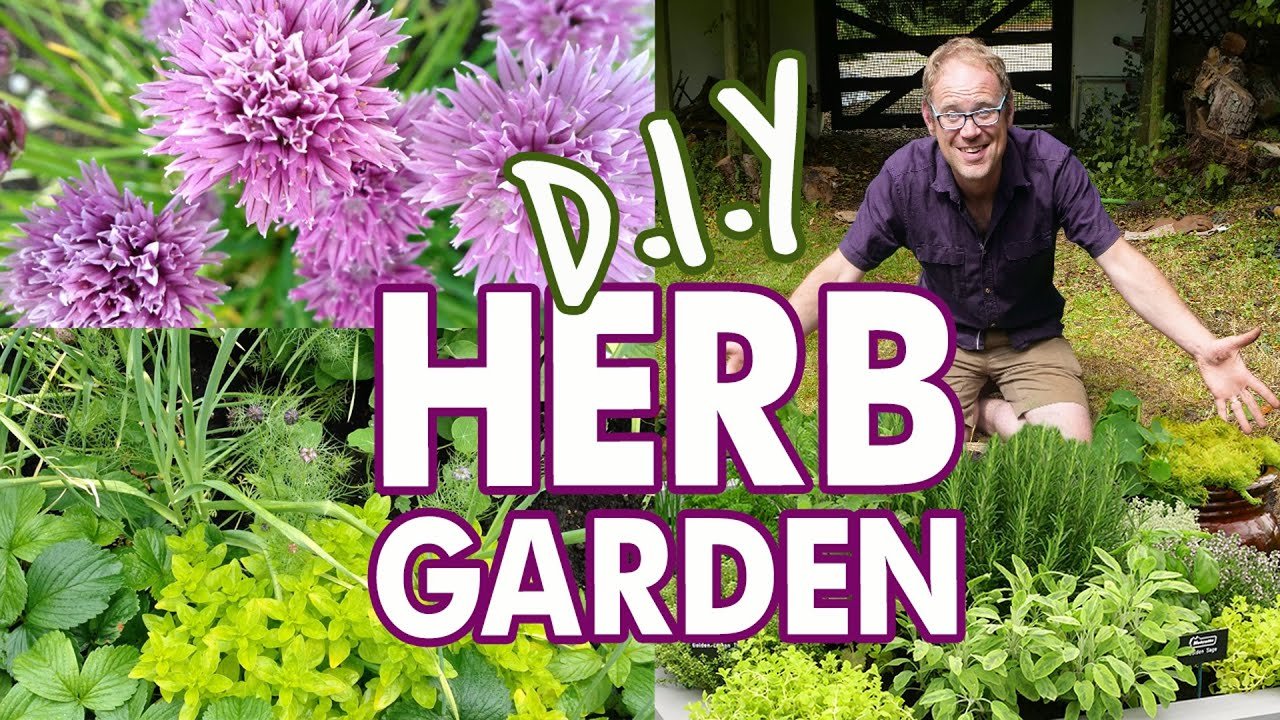
How do I build an herb garden

Check out your helpful results below!
Jump to a section, or see what you’ll get:
Jump to:
Scroll for the full guide ↓
  • 🎥 A step-by-step video walkthrough
  • 🧰 A tools & supplies checklist
  • 📋 Clear step-by-step instructions
  • ⚠️ Safety notes + pro tips
  • 🧑‍🔧 Connections to local pros (if you want help)

Video

Don't Let This Be You

Estimated Time:

Difficulty:

Tools

    Materials

      Steps

        Safety Notes

          Pro Tips

            Did this tutorial help?

            Send me this Do It Yourself tutorial via email

            Need a pro

            Need a pro?

            Tell us what went wrong and we’ll connect you with a trusted local pro.

            Please enter your name.
            Enter a valid email.
            Enter a valid phone number.
            Enter your ZIP/postcode.
            Pick a trade.
            Tell us a bit about the issue.
            Image must be under 3 MB.
            By sending, you agree to our Terms and Privacy.
            Free quotes No spam Cancel anytime
            diy4uai21-20
            Shovel, Garden trowel, Measuring tape, Hand rake, Drill (if building raised bed), Saw (if cutting wood), Screwdriver
            Wear gloves to protect hands from soil contaminants and sharp tools., Use proper lifting techniques when handling heavy soil bags or wood., Be cautious when using power tools like drills and saws., Ensure raised beds are stable and secure to prevent collapse.
            Choose a location that receives at least 6 hours of sunlight daily for optimal herb growth. Decide whether to use containers, a raised bed, or plant directly in the ground based on space and preference. Measure and mark the dimensions of your garden area using a measuring tape and stakes. Use a shovel to remove grass, weeds, and debris from the marked area to prepare the soil. If building a raised bed, cut wood planks to size and assemble using screws and a drill. Place landscape fabric at the base of the bed or container to prevent weed growth while allowing drainage. Fill the bed or containers with nutrient-rich compost or potting soil up to 2 inches from the top. Plan where each herb will go, grouping by water and sunlight needs and considering mature plant height. Dig small holes with a trowel and plant herb seedlings or seeds according to package instructions. Water the herbs thoroughly after planting to help them settle and reduce transplant shock. Apply a layer of mulch around the herbs to retain moisture and suppress weeds. Label each herb using garden markers to easily identify them as they grow. Check soil moisture daily and water when the top inch feels dry to the touch. Prune herbs regularly to encourage bushy growth and prevent flowering. Fertilize lightly every few weeks using an organic fertilizer suitable for herbs. Watch for pests and remove them by hand or use natural deterrents as needed. Harvest herbs by cutting stems above a leaf node to promote regrowth. Rotate herbs seasonally or replant annuals as needed to maintain productivity. Clean tools after use to prevent disease spread between plants. Store leftover seeds in a cool, dry place for future planting.

            Herb seeds or starter plants, Compost or potting soil, Mulch, Wood planks (for raised bed), Screws, Landscape fabric, Watering can or hose
            Medium
            Start with easy herbs like basil, mint, and parsley., Use companion planting to deter pests naturally., Install a drip irrigation system for consistent watering., Grow herbs near your kitchen for easy access while cooking., Use vertical planters if space is limited.
            180
            https://www.youtube.com/watch?v=VTFLtfA4KEw
            if( length(trim() > 0; trim(); "https://youtu.be/9n6em1ZBOvI?si=rWqitTC3UuZtYa7y" )