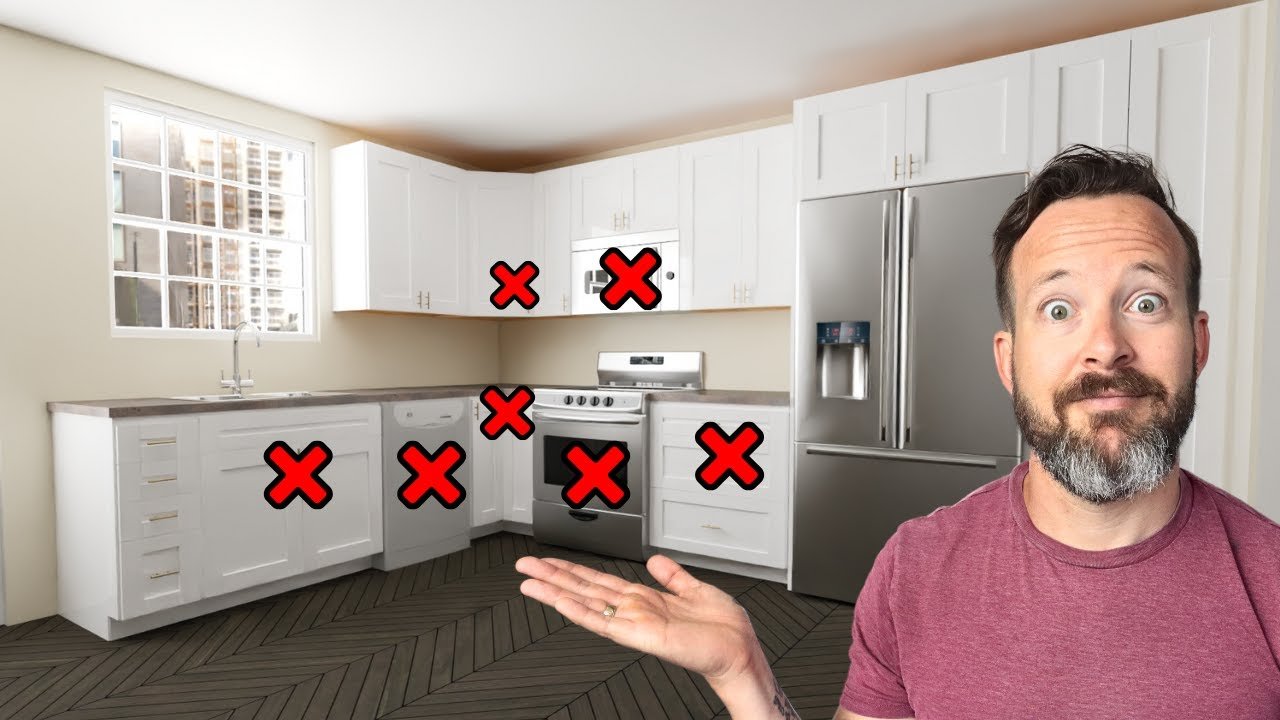
How is a kitchen layout planned?

Check out your helpful results below!
Jump to a section, or see what you’ll get:
Jump to:
Scroll for the full guide ↓
  • 🎥 A step-by-step video walkthrough
  • 🧰 A tools & supplies checklist
  • 📋 Clear step-by-step instructions
  • ⚠️ Safety notes + pro tips
  • 🧑‍🔧 Connections to local pros (if you want help)

Video

Don't Let This Be You

Estimated Time:

Difficulty:

Tools

    Materials

      Steps

        Safety Notes

          Pro Tips

            Did this tutorial help?

            Send me this Do It Yourself tutorial via email

            Need a pro

            Need a pro?

            Tell us what went wrong and we’ll connect you with a trusted local pro.

            Please enter your name.
            Enter a valid email.
            Enter a valid phone number.
            Enter your ZIP/postcode.
            Pick a trade.
            Tell us a bit about the issue.
            Image must be under 3 MB.
            By sending, you agree to our Terms and Privacy.
            Free quotes No spam Cancel anytime
            diy4uai21-20
            Measuring tape, Graph paper or layout software, Pencil, Straight edge or ruler
            Always verify electrical and plumbing locations before planning appliance placement., Ensure proper ventilation is included for cooking appliances., Follow local building codes for clearance and electrical requirements.
            Measure the length, width, and ceiling height of your kitchen using a measuring tape. Locate and mark existing plumbing, gas lines, and electrical outlets on your layout. Choose a layout style such as L-shape, U-shape, galley, or island based on space and needs. Define the work triangle by positioning the sink, stove, and refrigerator for efficient workflow. Place the refrigerator, stove, and sink in logical, accessible locations within the triangle. Plan where base and wall cabinets will go, ensuring they fit within the measured space. Incorporate storage solutions like pantry cabinets, pull-out drawers, and overhead shelves. Ensure at least 36 inches of clearance between counters and islands for safe movement. Sketch the layout on graph paper or use kitchen design software for accuracy. Review the layout for functionality, accessibility, and traffic flow. Adjust appliance and cabinet placement to improve efficiency or meet space constraints. Check local building codes for clearance, ventilation, and electrical requirements. Ensure proper lighting zones are included for prep, cooking, and dining areas. Account for ventilation needs above the stove, such as a range hood or exhaust fan. Include space for trash and recycling bins in a convenient but hidden location. Plan for outlets and switches in accessible and code-compliant locations. Verify that appliance doors can open fully without obstruction. Consider ergonomic heights for counters and appliances to reduce strain. Label all zones clearly on your layout for easy reference during installation. Finalize the layout and prepare it for contractor review or DIY execution.

            Kitchen layout templates (optional), Room measurements, Appliance dimensions, Cabinet specifications
            Medium
            Use kitchen design software for more precise planning., Plan for future upgrades by leaving space for larger appliances., Include under-cabinet lighting for better countertop visibility., Keep frequently used items within easy reach in the layout.
            180
            https://www.youtube.com/watch?v=aFQtpiZD384
            if( length(trim() > 0; trim(); "https://youtu.be/9n6em1ZBOvI?si=rWqitTC3UuZtYa7y" )