Park the vehicle on a level surface, turn off the engine, and engage the parking brake.
Open the hood and locate the car battery, usually near the front or side of the engine bay.
Put on safety glasses and gloves to protect against acid and electrical contact.
Identify the negative terminal, usually marked with a minus sign or black cable.
Use a wrench to loosen the nut on the negative terminal and remove the cable.
Repeat the process to disconnect the positive terminal, marked with a plus sign or red cable.
Locate and remove the battery hold-down clamp using a wrench or socket.
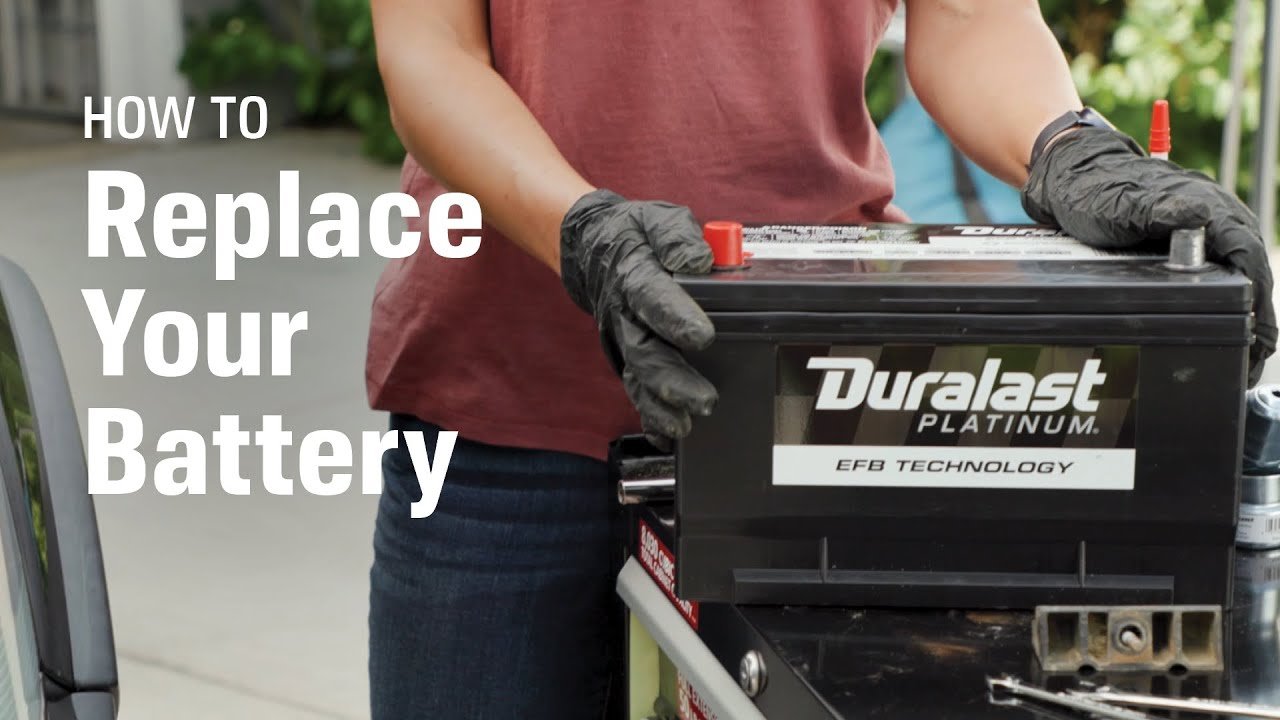
Carefully lift the old battery straight up and out of the tray; it may be heavy.
Inspect the battery tray for corrosion or debris and clean it with a brush if needed.
Use a wire brush or terminal cleaner to clean the cable ends and terminal connectors.
Place the new battery into the tray, aligning the terminals in the correct orientation.
Reinstall and tighten the battery hold-down clamp to secure the battery in place.
Attach the positive cable to the positive terminal and tighten the nut securely.
Attach the negative cable to the negative terminal and tighten the nut securely.
Apply battery terminal protector spray if desired to prevent corrosion.
Double-check that all connections are tight and the battery is secure.
Close the hood securely and remove any tools from the engine bay.
Start the car to ensure the new battery is functioning properly.
Reset the clock and radio presets if they were lost during battery replacement.
Dispose of the old battery properly at an auto parts store or recycling center.