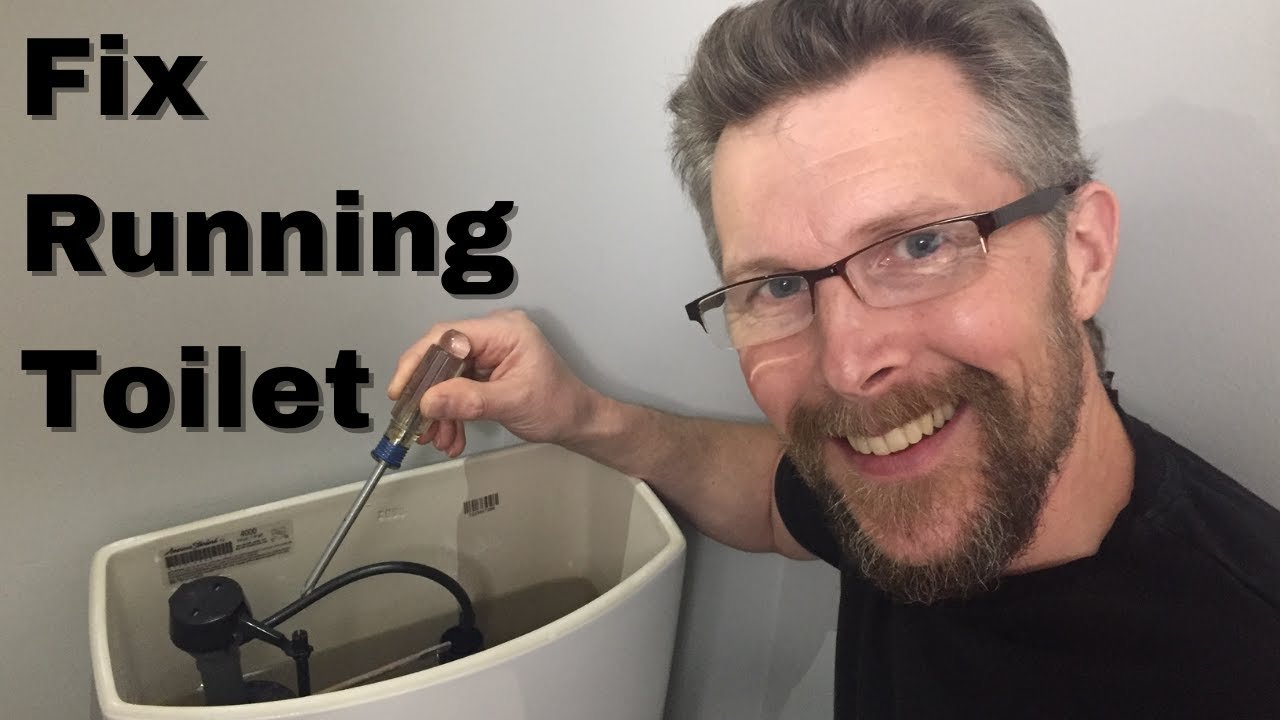
Toilet Keeps Running

Check out your helpful results below!
Jump to a section, or see what you’ll get:
Jump to:
Scroll for the full guide ↓
  • 🎥 A step-by-step video walkthrough
  • 🧰 A tools & supplies checklist
  • 📋 Clear step-by-step instructions
  • ⚠️ Safety notes + pro tips
  • 🧑‍🔧 Connections to local pros (if you want help)

Video

Don't Let This Be You

Estimated Time:

Difficulty:

Tools

    Materials

      Steps

        Safety Notes

          Pro Tips

            Did this tutorial help?

            Send me this Do It Yourself tutorial via email

            Need a pro

            Need a pro?

            Tell us what went wrong and we’ll connect you with a trusted local pro.

            Please enter your name.
            Enter a valid email.
            Enter a valid phone number.
            Enter your ZIP/postcode.
            Pick a trade.
            Tell us a bit about the issue.
            Image must be under 3 MB.
            By sending, you agree to our Terms and Privacy.
            Free quotes No spam Cancel anytime
            diy4uai21-20
            Adjustable wrench, Sponge, Towel, Bucket, Screwdriver
            Turn off the water supply before starting any repairs., Use towels to prevent water damage to the floor., Ensure all parts are securely installed to avoid leaks.
            Turn off the water supply to the toilet by closing the shutoff valve near the base. Flush the toilet to drain most of the water from the tank. Use a sponge or towel to soak up any remaining water in the tank. Inspect the rubber flapper at the bottom of the tank for signs of wear or warping. Remove the old flapper by detaching it from the overflow tube and chain. Install a new flapper by attaching it to the overflow tube and reconnecting the chain. Check that the chain has a slight slack when the flapper is closed to ensure proper sealing. Adjust the chain length if it is too tight or too loose to allow the flapper to seal properly. Inspect the fill valve for signs of malfunction, such as constant water flow or noise. If the fill valve is faulty, turn off the water and unscrew it using an adjustable wrench. Install a new fill valve according to the manufacturer’s instructions. Reconnect the water supply line to the new fill valve and tighten securely. Turn the water supply back on slowly and allow the tank to fill. Observe the tank as it fills to ensure the flapper seals and the fill valve shuts off properly. Flush the toilet and watch the flapper open and close to confirm correct operation. Listen for any continuous water flow that may indicate an issue still exists. Adjust the float height on the fill valve if the water level is too high or too low. Ensure the overflow tube is not allowing water to drain constantly. Check all connections for leaks and tighten if necessary. Repeat testing until the toilet stops running after each flush.

            Replacement flapper, Fill valve (if needed)
            Medium
            Use a universal flapper if unsure of your toilet model., Clean the valve seat before installing a new flapper., Mark the water level before starting to help with float adjustments.
            45
            https://www.youtube.com/watch?v=NQ2AXvqgfPM
            if( length(trim() > 0; trim(); "https://youtu.be/9n6em1ZBOvI?si=rWqitTC3UuZtYa7y" )