Spray bottle, Garden gloves, Hand trowel, Pruning shears, Magnifying glass
Wear gloves when handling pests or applying treatments., Avoid spraying neem oil or soap directly on beneficial insects., Test sprays on a small area first to check for plant sensitivity., Keep children and pets away from treated areas until dry.
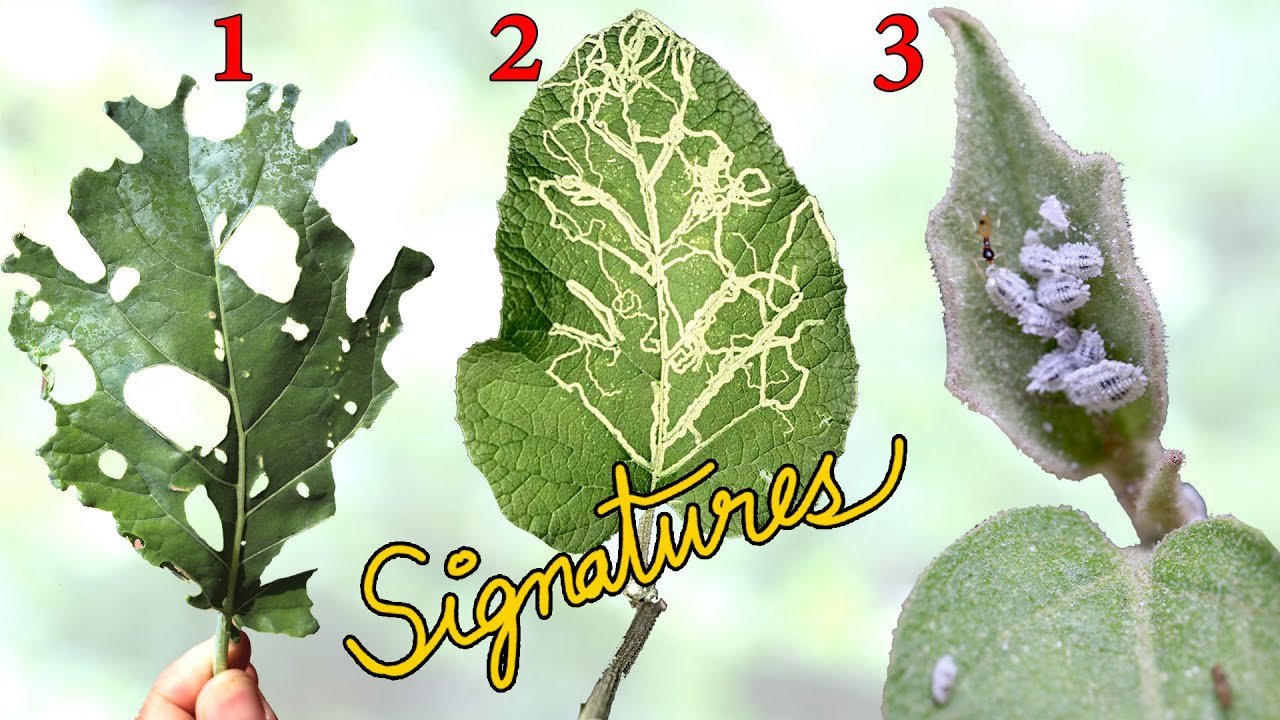
Inspect plants closely using a magnifying glass to identify the type of pest present.
Wear garden gloves and manually remove visible pests like caterpillars or beetles.
Mix neem oil with water in a spray bottle and apply to affected leaves in the early morning.
Create a mild dish soap solution and spray it on soft-bodied insects like aphids and mites.
Sprinkle diatomaceous earth around the base of plants to deter crawling insects.
Place sticky traps near plants to catch flying pests like whiteflies and fungus gnats.
Plant natural pest-repelling companions such as marigolds or basil near vulnerable crops.
Use pruning shears to remove heavily infested or damaged leaves and stems.
Clear away fallen leaves and plant debris to eliminate pest hiding spots.
Rotate crops each season to prevent pest buildup in the soil.
Check plants at least twice a week for signs of new infestations or damage.
Reapply neem oil or soap sprays after rain or every 7–10 days as needed.
Avoid spraying during peak sun hours to prevent leaf burn.
Use garlic or chili powder sprays as natural repellents for chewing insects.
Ensure good air circulation between plants to reduce fungal pest environments.
Water plants at the base to avoid creating moist conditions that attract pests.
Introduce beneficial insects like ladybugs to control aphids naturally.
Avoid over-fertilizing, which can attract pests to lush new growth.
Keep compost piles away from garden beds to reduce pest attraction.
Monitor pest population trends to adjust control methods accordingly.
Neem oil, Dish soap, Water, Diatomaceous earth, Sticky traps, Companion plants (e.g., marigolds, basil), Garlic, Chili powder
Medium
Apply treatments early in the morning or late afternoon to avoid leaf burn., Use a journal to track pest activity and treatment effectiveness., Combine multiple methods for better pest control results., Encourage birds and beneficial insects by planting native flowers.
60
https://www.youtube.com/watch?v=qTkp-9o9hH0
DIY4UAI – Live Help
Your helper: Diyai
Info here is for DIY guidance only and isn’t professional advice. Always follow safety codes and hire a licensed pro when required.
By using this chat you agree to our
Terms and
Privacy. See our
Affiliate Disclosure.