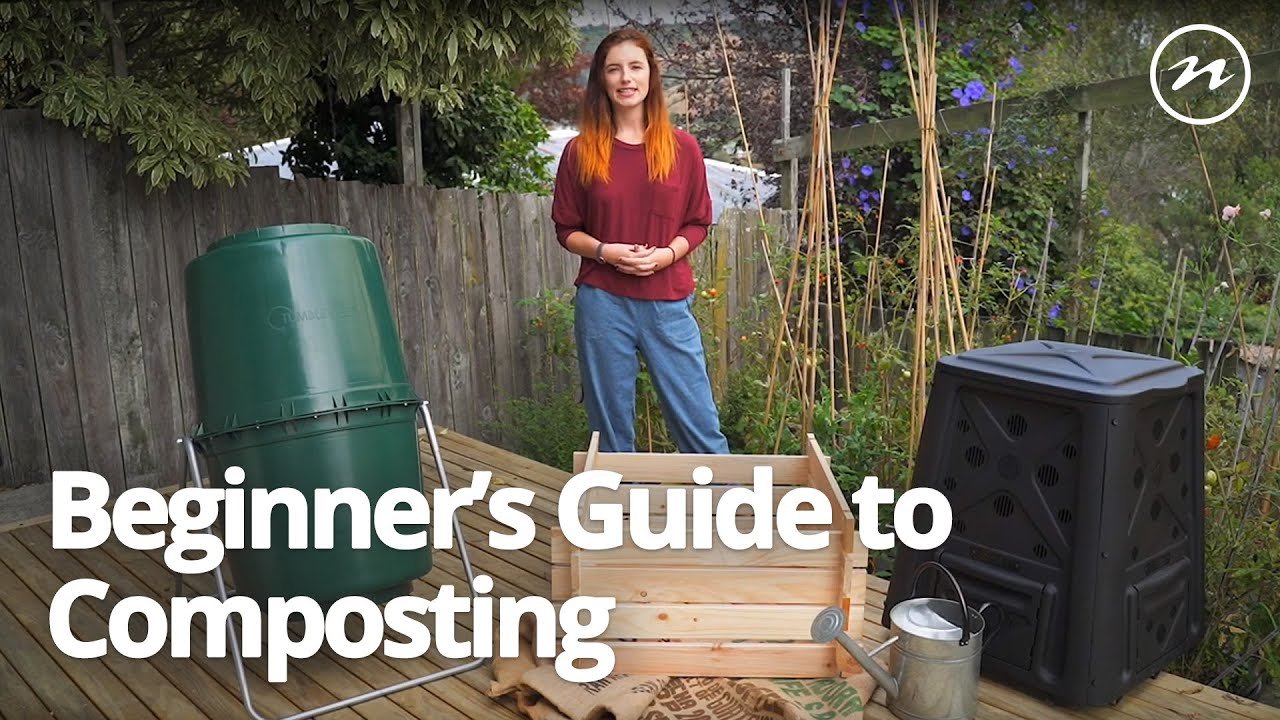
Select a dry, shaded spot near a water source for your compost pile or bin.
Set up a compost bin or create a pile using pallets or wire fencing for structure.
Start the pile with a layer of brown materials like dry leaves or shredded newspaper.
Add a layer of green materials such as fruit peels, coffee grounds, or grass clippings.
Lightly moisten the pile with water to achieve a damp sponge-like consistency.
Use a garden fork or shovel to mix the materials and promote aeration.
Check the balance of green and brown materials to avoid odor or slow decomposition.
Continue adding alternating layers of green and brown waste as they become available.
Turn the compost pile weekly to introduce oxygen and speed up decomposition.
Ensure the pile stays moist but not soggy; add water or dry materials as needed.
Watch for signs of active composting like heat and earthy smell.
Avoid adding meat, dairy, or oily foods that attract pests and slow the process.
Use gloves when handling compost to protect your hands from bacteria and sharp objects.
If desired, add a compost starter or a handful of soil to introduce beneficial microbes.
Break up large items like corn cobs or branches to help them decompose faster.
After 2–3 months, check for dark, crumbly compost with an earthy smell.
Sift finished compost to remove any large undecomposed pieces.
Use the finished compost in garden beds, pots, or as mulch around plants.
Store excess compost in a dry container or bag until ready to use.
Clean tools and wash hands thoroughly after handling compost materials.