Park the vehicle on a level surface and engage the parking brake for safety.
Loosen the lug nuts on the wheels where the brakes are squeaking using a lug wrench.
Use a jack to lift the vehicle and place it securely on jack stands before working underneath.
Remove the wheels to access the brake components using the appropriate socket or wrench.
Inspect the brake pads for wear and glazing; replace them if they are excessively worn.
Check the brake rotors for scoring or uneven wear that could cause squeaking.
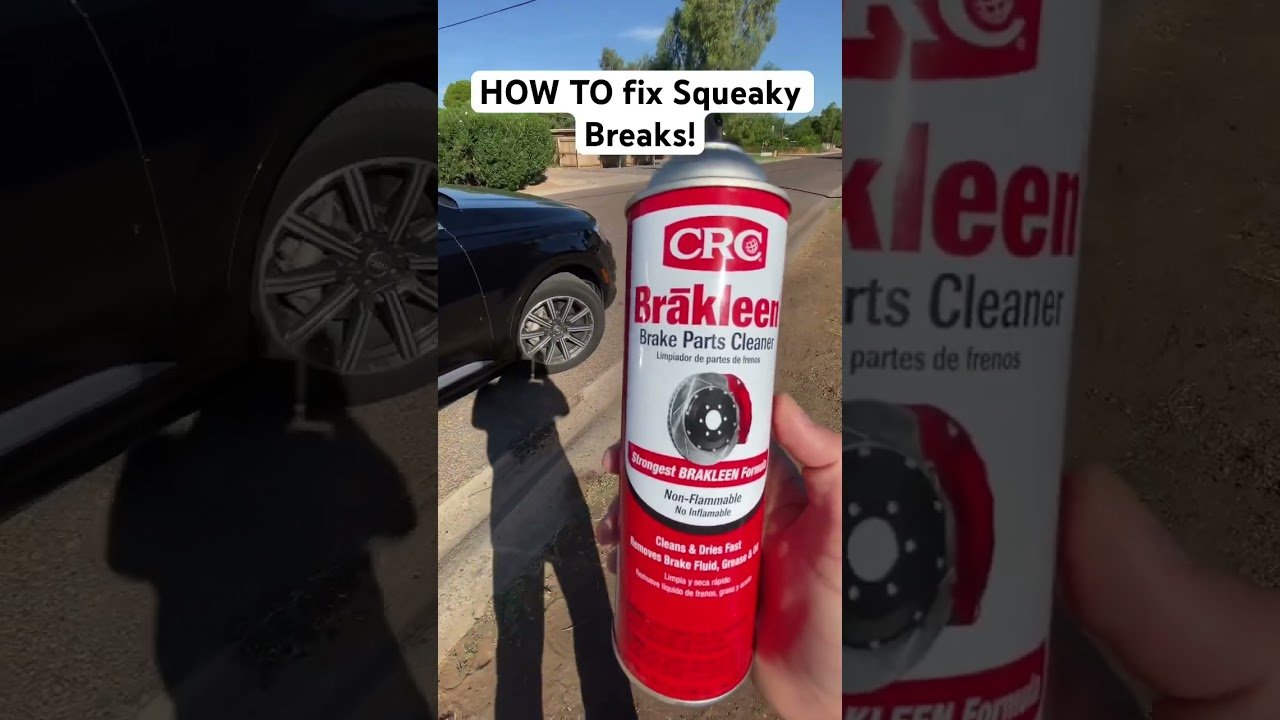
Spray brake cleaner on the caliper, rotor, and pads to remove dust and debris.
Use a wire brush to clean rust or buildup from the caliper bracket and other metal surfaces.
Apply a thin layer of brake grease to the caliper slide pins and pad contact points.
Apply anti-squeal compound to the back of the brake pads and allow it to dry as directed.
If replacing pads, compress the caliper piston using a C-clamp or brake caliper tool.
Reinstall the brake pads and caliper, ensuring all components are properly seated.
Torque all bolts to manufacturer specification using a torque wrench.
Reinstall the wheels and hand-tighten the lug nuts in a star pattern.
Lower the vehicle carefully off the jack stands using the jack.
Fully tighten the lug nuts to manufacturer specification once the vehicle is on the ground.
Pump the brake pedal a few times to ensure proper pad seating and pedal firmness.
Start the vehicle and test the brakes at low speed in a safe area.
Listen for any remaining squeaks and verify that braking performance is normal.
Repeat the process on the other side if both brakes are squeaking.