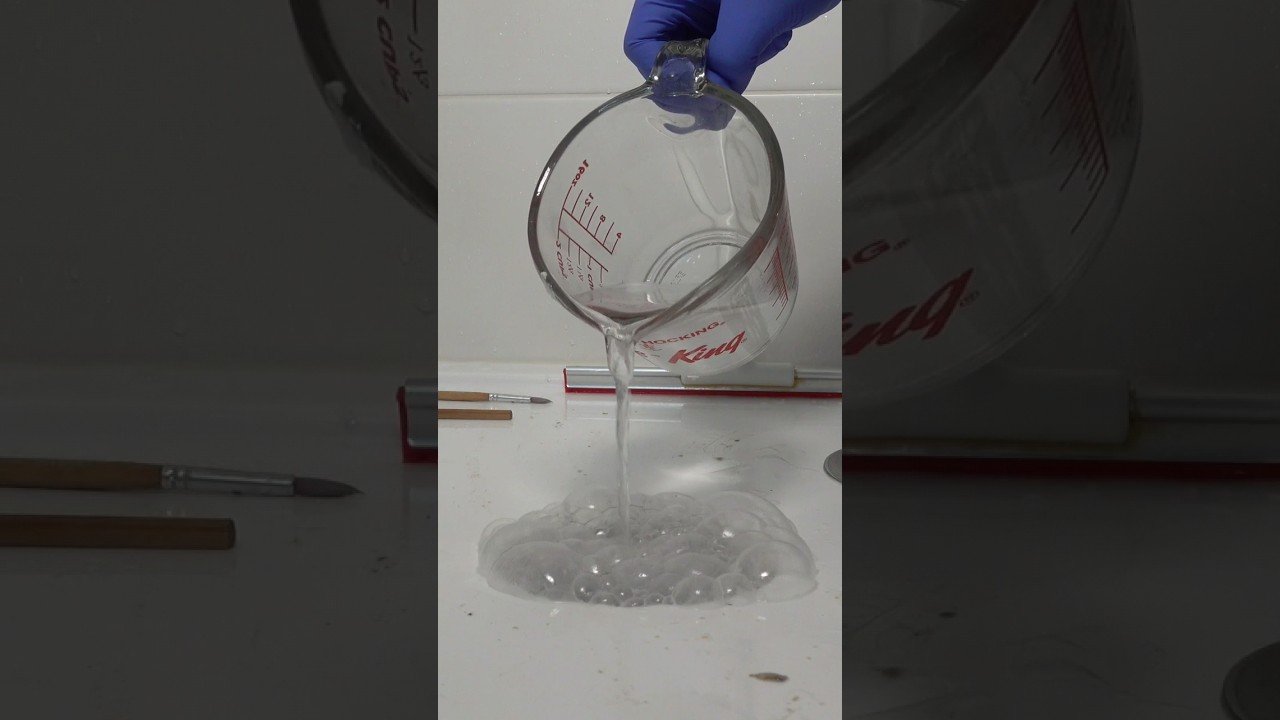
Put on gloves to protect your hands from grime and chemicals.
Use a screwdriver to remove the shower drain cover carefully.
Shine a flashlight into the drain to check for visible hair or debris.
Pull out any visible clogs using your fingers or a hook tool.
Place a plunger over the drain and plunge several times to loosen the clog.
If the plunger doesn't work, insert a drain snake and rotate it to catch debris.
Pull out the snake slowly to remove any trapped hair or gunk.
Pour about half a cup of baking soda directly into the drain.
Follow with one cup of white vinegar to create a foaming reaction.
Let the mixture sit for at least 15 minutes to break down buildup.
Boil a kettle of water and carefully pour it down the drain to flush it.
Repeat the baking soda and vinegar process if the clog persists.
Use the plunger again if water still drains slowly.
Run hot water from the shower to test if the drain is clear.
Wipe down the drain area and remove any remaining debris.
Clean the drain cover with soap and water before reinstalling.
Secure the drain cover back in place with the screwdriver.
Dispose of any removed debris and clean your tools.
Wash your hands thoroughly after completing the task.
Monitor the drain over the next few days to ensure it stays clear.