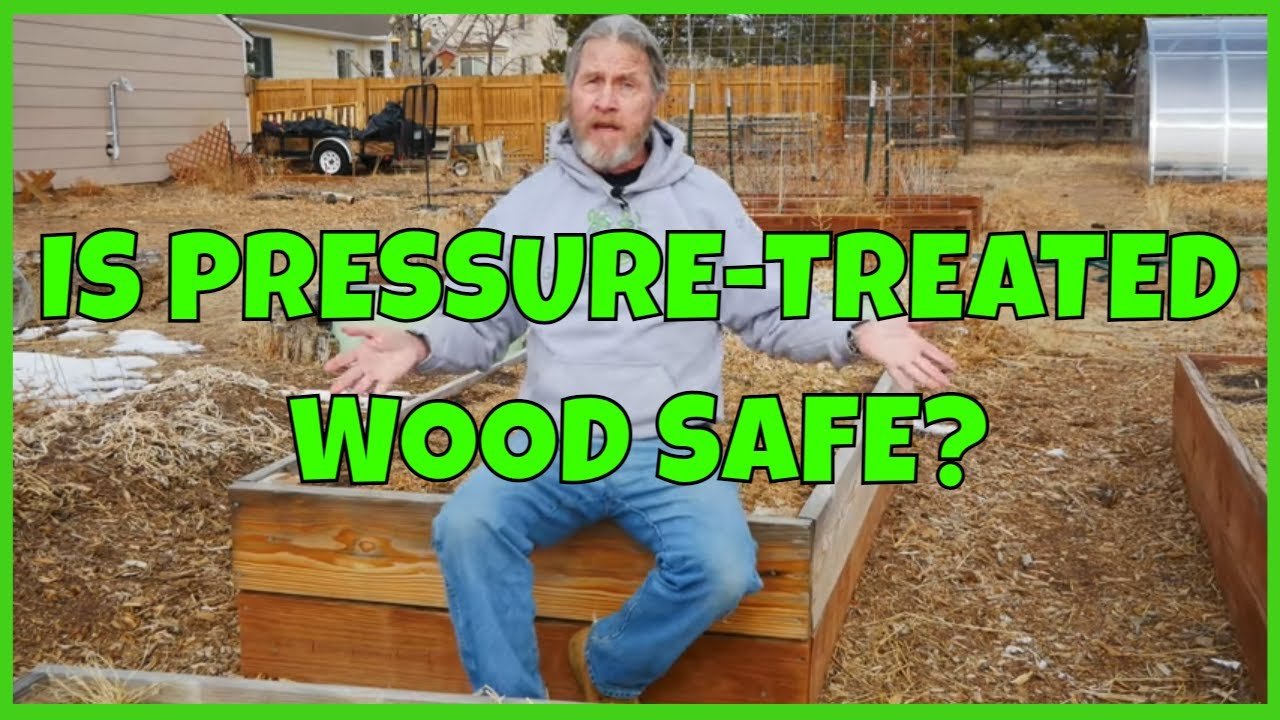
Identify whether your pressure-treated lumber is treated with alkaline copper quaternary (ACQ) or micronized copper azole (MCA), which are safer for garden use.
Check if the lumber is labeled as safe for residential or garden use per EPA guidelines.
Inspect the end tag or stamp on the lumber for treatment type and date to ensure it is post-2003 and free of CCA chemicals.
Decide if you want to use a plastic or landscape fabric liner to prevent soil contact with the wood.
Install a liner inside the raised bed or garden border to create a barrier between the soil and the lumber if desired.
Secure the liner with staples or nails to prevent shifting during soil filling.
Place the pressure-treated lumber in your desired garden layout, such as for raised beds or edging.
Ensure the lumber is not in direct contact with edible plant roots if not using a liner.
Avoid using pressure-treated lumber for compost bins or where soil acidity may increase leaching.
Use gloves when handling pressure-treated wood to avoid skin irritation.
Wash hands thoroughly after working with treated lumber.
Avoid burning pressure-treated wood, as it releases toxic chemicals.
Do not use sawdust or shavings from treated wood in compost or mulch.
Use corrosion-resistant fasteners like stainless steel or hot-dipped galvanized nails or screws.
Ensure proper drainage in raised beds to reduce water pooling near the wood.
Monitor the condition of the wood annually for signs of decay or leaching.
Replace or re-line beds if the wood begins to deteriorate or leach visibly.
Keep children and pets from chewing or playing with treated lumber.
Consider untreated rot-resistant alternatives like cedar or redwood if concerned.
Consult local regulations or extension services for additional guidance.