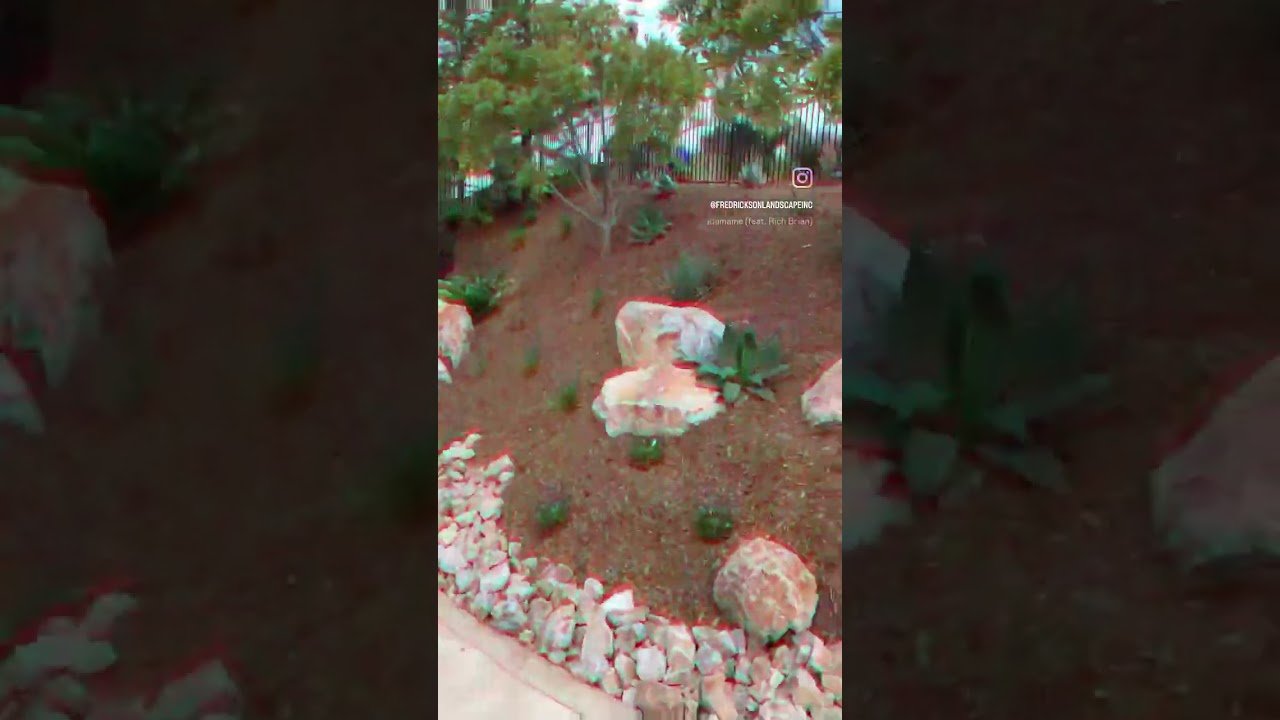
Tips for Gardening at a Slope

Check out your helpful results below!
Jump to a section, or see what you’ll get:
Jump to:
Scroll for the full guide ↓
  • 🎥 A step-by-step video walkthrough
  • 🧰 A tools & supplies checklist
  • 📋 Clear step-by-step instructions
  • ⚠️ Safety notes + pro tips
  • 🧑‍🔧 Connections to local pros (if you want help)

Video

Don't Let This Be You

Estimated Time:

Difficulty:

Tools

    Materials

      Steps

        Safety Notes

          Pro Tips

            Did this tutorial help?

            Send me this Do It Yourself tutorial via email

            Need a pro

            Need a pro?

            Tell us what went wrong and we’ll connect you with a trusted local pro.

            Please enter your name.
            Enter a valid email.
            Enter a valid phone number.
            Enter your ZIP/postcode.
            Pick a trade.
            Tell us a bit about the issue.
            Image must be under 3 MB.
            By sending, you agree to our Terms and Privacy.
            Free quotes No spam Cancel anytime
            diy4uai21-20
            Shovel, Garden rake, Wheelbarrow, Hoe, Level, Garden gloves
            Wear sturdy shoes with good traction to prevent slipping on slopes., Use gloves to protect hands from sharp tools and rough materials., Lift heavy materials like stones or soil properly to avoid injury., Be cautious when working on wet or unstable ground to prevent falls.
            Examine the slope's steepness and direction to understand water flow and sun exposure. Test the soil for drainage and nutrient content to determine amendments needed. Design a layout using terraces or contour rows to slow water runoff and prevent erosion. Use stones, logs, or treated wood to build terraces that follow the natural contour of the slope. Lay erosion control fabric on steeper areas to stabilize soil before planting. Add compost and topsoil to improve fertility and structure, especially in poor or compacted areas. Select native or deep-rooted plants that tolerate slope conditions and help anchor soil. Plant in horizontal rows or staggered patterns to reduce water runoff and increase absorption. Space plants appropriately to allow for growth and reduce competition for nutrients. Apply mulch around plants to retain moisture, suppress weeds, and reduce erosion. Water slowly and deeply using drip irrigation or soaker hoses to avoid washing soil away. Avoid overhead watering on steep slopes to minimize erosion and water waste. Check for signs of erosion or runoff after heavy rains and reinforce affected areas as needed. Weed regularly to prevent invasive species from destabilizing the slope. Prune plants as needed to maintain airflow and prevent overcrowding. Reapply mulch annually to maintain coverage and soil protection. Inspect terracing structures periodically for damage or shifting and repair promptly. Add groundcover plants in bare spots to improve slope stability and reduce erosion. Use a level to ensure terraces are even and water distributes properly. Wear gloves and sturdy shoes when working on slopes to prevent slips and protect hands.

            Mulch, Compost, Terracing materials (e.g., stones, wood), Erosion control fabric, Native plants, Topsoil
            Medium
            Use native plants for better slope stability and lower maintenance., Install drip irrigation to conserve water and reduce erosion., Start at the bottom of the slope and work upward to avoid disturbing finished areas., Add groundcovers to fill gaps and prevent weed growth., Use mulch made from shredded bark or straw for better slope adherence.
            240
            https://www.youtube.com/watch?v=h3DbM1FpPVs
            if( length(trim() > 0; trim(); "https://youtu.be/9n6em1ZBOvI?si=rWqitTC3UuZtYa7y" )