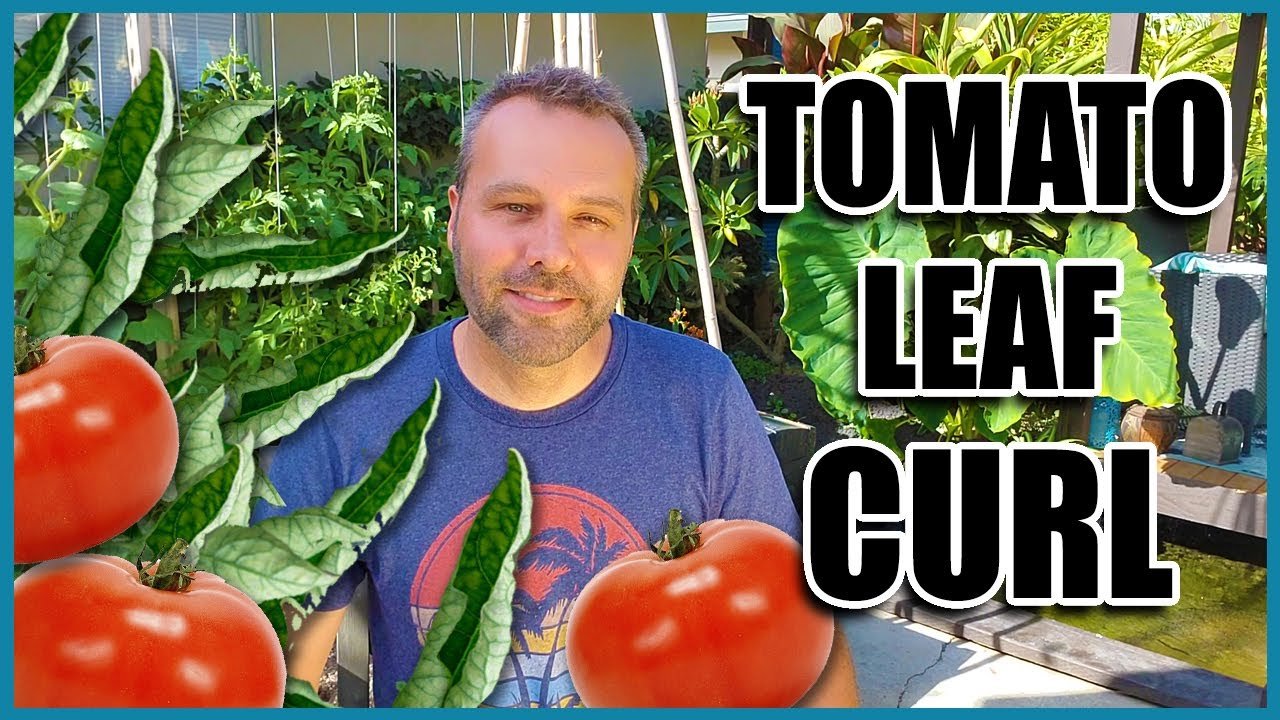
Inspect the undersides of curled leaves for pests like aphids or whiteflies using gloves.
Use a soil moisture meter to check if the soil is too dry or too wet.
Review recent weather; extreme heat or wind can cause leaf curl due to stress.
Check if you've recently applied fertilizer, which may have caused nutrient burn.
Ensure tomato plants have enough space between them for proper airflow.
Use pruning shears to remove severely curled or damaged leaves to reduce stress.
Apply mulch around the plant base to retain moisture and regulate soil temperature.
Adjust your watering schedule to maintain consistent soil moisture without overwatering.
Apply a balanced fertilizer only if nutrient deficiency is suspected, following label instructions.
If pests are present, treat with neem oil or insecticidal soap according to product directions.
Observe the plant over the next few days to see if the curling improves with changes made.
Avoid watering during the hottest part of the day to reduce plant stress.
Test soil pH if problems persist; tomatoes prefer slightly acidic soil (around 6.0–6.8).
Amend soil with compost to improve drainage and nutrient content if needed.
Avoid using herbicides near tomato plants, as drift can cause leaf curling.
Check for signs of viral infection; if suspected, remove and destroy the plant to prevent spread.
Stake or cage the plant to reduce physical stress and improve airflow.
Ensure the plant gets at least 6–8 hours of sunlight daily for healthy growth.
Avoid touching plants when wet to reduce disease spread.
Keep garden tools clean to prevent cross-contamination between plants.