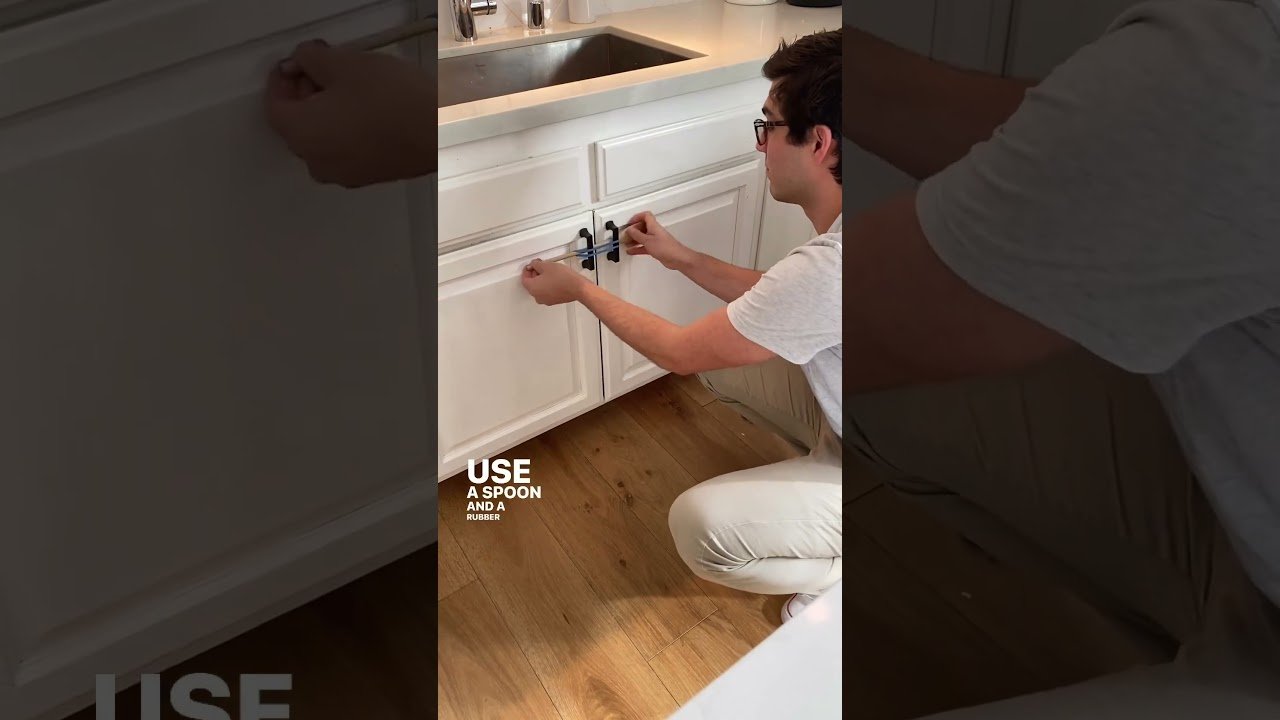
Baby proofing built in

Check out your helpful results below!
Jump to a section, or see what you’ll get:
Jump to:
Scroll for the full guide ↓
  • 🎥 A step-by-step video walkthrough
  • 🧰 A tools & supplies checklist
  • 📋 Clear step-by-step instructions
  • ⚠️ Safety notes + pro tips
  • 🧑‍🔧 Connections to local pros (if you want help)

Video

Don't Let This Be You

Estimated Time:

Difficulty:

Tools

    Materials

      Steps

        Safety Notes

          Pro Tips

            Did this tutorial help?

            Send me this Do It Yourself tutorial via email

            Need a pro

            Need a pro?

            Tell us what went wrong and we’ll connect you with a trusted local pro.

            Please enter your name.
            Enter a valid email.
            Enter a valid phone number.
            Enter your ZIP/postcode.
            Pick a trade.
            Tell us a bit about the issue.
            Image must be under 3 MB.
            By sending, you agree to our Terms and Privacy.
            Free quotes No spam Cancel anytime
            diy4uai21-20
            Screwdriver, Drill, Measuring tape, Stud finder, Level
            Always verify furniture is anchored securely to wall studs., Use outlet covers that cannot be easily removed by children., Ensure baby gates are hardware-mounted for stairways., Keep choking hazards and toxic substances out of reach., Check all safety devices regularly for wear or damage.
            Walk through your home at baby level to identify sharp edges, loose cords, and accessible hazards. Install cabinet locks on all lower cabinets within baby’s reach to prevent access to harmful items. Attach corner guards to sharp furniture edges such as coffee tables and TV stands to prevent injuries. Insert outlet covers into all unused electrical outlets to avoid electrical shock hazards. Use a stud finder to locate studs and anchor heavy furniture like bookshelves and dressers to the wall. Bundle and secure loose cords using cord organizers or covers to prevent strangulation or tripping. Place door stoppers on doors to prevent pinched fingers and accidental door slams. Install baby gates at the top and bottom of stairs, ensuring they are mounted securely and level. Remove or elevate small objects that pose choking hazards from low surfaces and shelves. Test all installed safety devices to ensure they are secure and functioning as intended. Reevaluate safety measures as your baby grows and becomes more mobile and curious. Regularly inspect all baby-proofing installations for wear, damage, or loosening. Ensure all cleaning supplies and medications are stored in high, locked cabinets. Secure TVs with anti-tip straps or wall mounts to prevent tipping accidents. Install window guards or stops to prevent windows from opening more than a few inches. Use door knob covers on rooms that should remain off-limits to your baby. Keep toilet lids closed and consider installing toilet locks to prevent drowning hazards. Place non-slip mats under rugs to prevent slipping as baby begins to walk. Avoid using tablecloths that can be pulled down by curious hands. Keep pet food and water bowls out of baby’s reach to avoid choking and messes.

            Cabinet locks, Corner guards, Outlet covers, Furniture anchors, Cord organizers, Door stoppers, Baby gates
            Medium
            Get down on your hands and knees to see hazards from a baby’s perspective., Choose adjustable safety products that grow with your child., Label installation dates to track when to inspect or replace items., Use clear corner guards for a less noticeable look., Opt for magnetic cabinet locks for a cleaner appearance.
            180
            https://www.youtube.com/watch?v=ksHc7GEN3go
            if( length(trim() > 0; trim(); "https://youtu.be/9n6em1ZBOvI?si=rWqitTC3UuZtYa7y" )