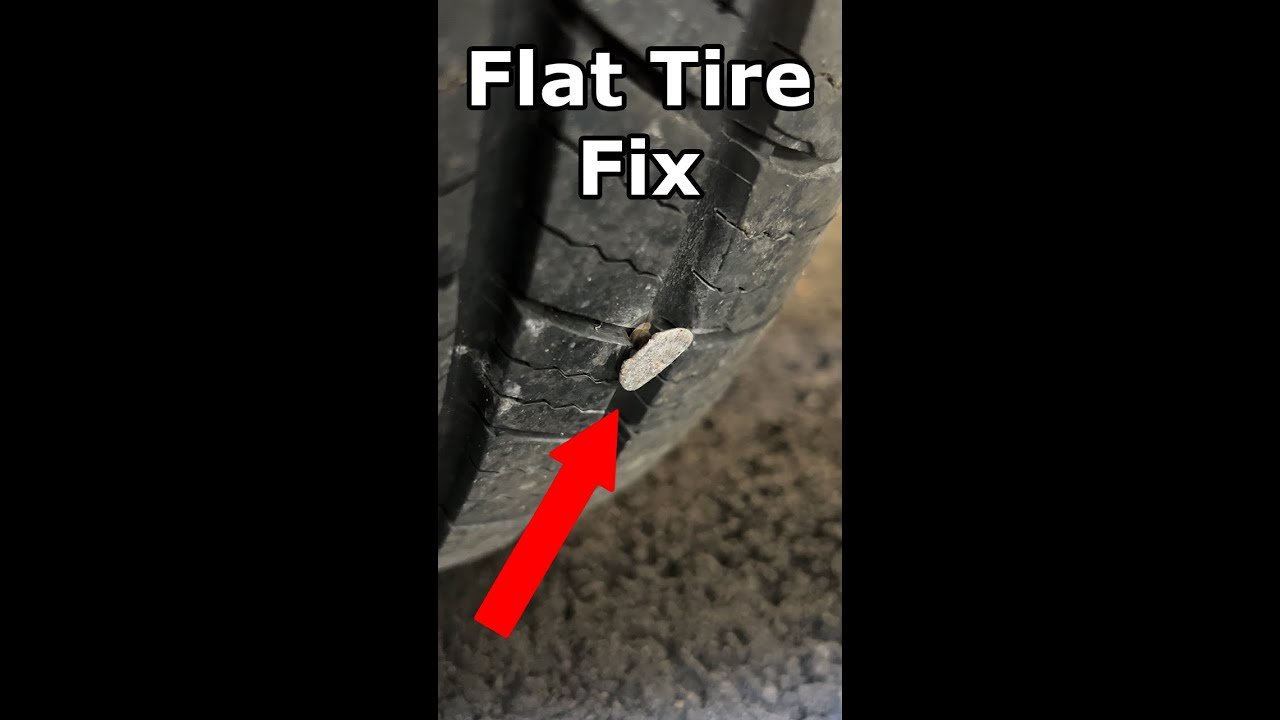
Park the vehicle on a flat, stable surface away from traffic and turn off the engine.
Engage the parking brake to prevent the vehicle from rolling while you work.
Place wheel wedges in front of or behind the tires opposite the flat to stabilize the vehicle.
Remove the hubcap or wheel cover from the flat tire if present using a flat tool or your hands.
Use a lug wrench to slightly loosen the lug nuts on the flat tire while the wheel is still on the ground.
Position the car jack under the vehicle’s recommended lift point near the flat tire.
Raise the vehicle with the jack until the flat tire is about 6 inches off the ground.
Fully remove the loosened lug nuts and place them in a safe location.
Pull the flat tire straight off the wheel bolts and set it aside.
Align the spare tire with the wheel bolts and slide it onto the hub.
Hand-tighten the lug nuts onto the spare tire in a crisscross pattern.
Lower the vehicle slowly using the jack until the spare tire touches the ground fully.
Use the lug wrench to tighten the lug nuts securely in a star pattern.
Torque the lug nuts to manufacturer specification using a torque wrench if available.
Reinstall the hubcap or wheel cover if it fits the spare tire.
Check the spare tire’s pressure with a tire gauge and inflate if needed.
Stow the jack, lug wrench, and flat tire securely in your vehicle.
Drive cautiously and avoid high speeds if using a temporary spare tire.
Visit a tire shop as soon as possible to repair or replace the damaged tire.
Wash your hands or use gloves to clean up after the repair.