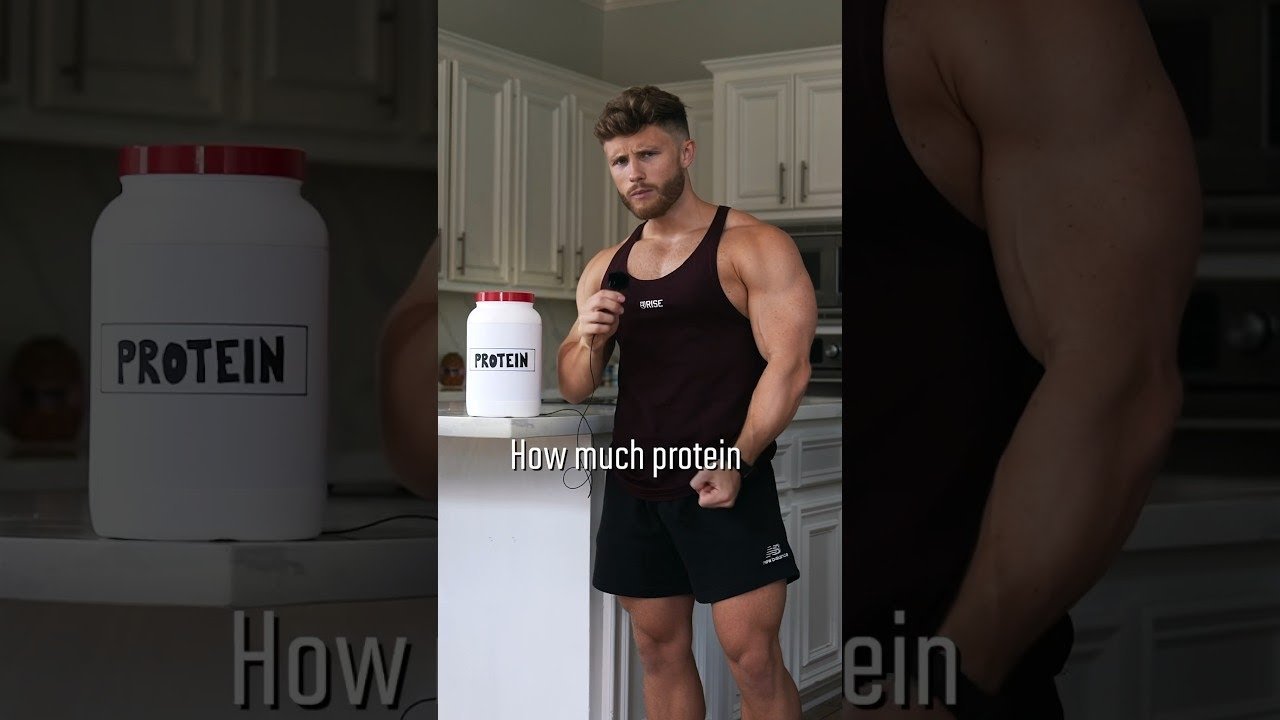
How much protein is enough per day to grow muscle

Check out your helpful results below!
Jump to a section, or see what you’ll get:
Jump to:
Scroll for the full guide ↓
  • 🎥 A step-by-step video walkthrough
  • 🧰 A tools & supplies checklist
  • 📋 Clear step-by-step instructions
  • ⚠️ Safety notes + pro tips
  • 🧑‍🔧 Connections to local pros (if you want help)

Video

Don't Let This Be You

Estimated Time:

Difficulty:

Tools

    Materials

      Steps

        Safety Notes

          Pro Tips

            Did this tutorial help?

            Send me this Do It Yourself tutorial via email

            Need a pro

            Need a pro?

            Tell us what went wrong and we’ll connect you with a trusted local pro.

            Please enter your name.
            Enter a valid email.
            Enter a valid phone number.
            Enter your ZIP/postcode.
            Pick a trade.
            Tell us a bit about the issue.
            Image must be under 3 MB.
            By sending, you agree to our Terms and Privacy.
            Free quotes No spam Cancel anytime
            diy4uai21-20
            Consult a healthcare provider before making significant dietary changes., Avoid excessive protein intake if you have kidney issues or other medical conditions., Ensure protein supplements are from reputable sources to avoid contamination.
            Determine your current body weight in pounds using a reliable scale. Multiply your body weight by 0.7 to 1.0 grams to estimate daily protein needs for muscle growth. Set a clear muscle gain goal to guide your nutritional planning. Adjust your protein intake higher if you engage in intense resistance training or are in a caloric deficit. Track your daily protein intake using a food diary or nutrition app to ensure consistency. Choose high-quality protein sources like lean meats, eggs, dairy, legumes, and protein powders. Distribute your protein intake evenly across 3 to 5 meals per day to optimize muscle protein synthesis. Consume 20–40 grams of protein per meal depending on your total daily goal and body size. Include a protein-rich meal or shake within 30–60 minutes post-workout to support recovery. Stay hydrated and maintain a balanced diet to support overall muscle development. Evaluate your progress every few weeks and adjust protein intake if muscle gain plateaus. Consult a registered dietitian or certified trainer for personalized protein recommendations. Avoid excessive protein intake beyond 1.2 grams per pound unless medically advised. Ensure you are also consuming enough calories and carbohydrates to support muscle growth. Use a food scale or measuring cups to accurately portion protein-rich foods. Read nutrition labels to verify protein content in packaged foods and supplements. Be consistent with your protein intake daily to maximize muscle-building results. Consider spreading protein intake into a pre-bedtime snack to support overnight recovery. Avoid relying solely on supplements; prioritize whole food sources when possible. Track changes in body composition, not just weight, to assess muscle gain effectively.

            Medium
            Whey protein is fast-digesting and ideal post-workout., Casein protein is slow-digesting and great before bed., Use a macro tracking app to simplify daily protein monitoring., Pair protein with carbs post-workout for better recovery., Rotate protein sources to avoid dietary boredom and ensure nutrient variety.
            60
            https://www.youtube.com/watch?v=T0ySHTwFGzc
            if( length(trim() > 0; trim(); "https://youtu.be/9n6em1ZBOvI?si=rWqitTC3UuZtYa7y" )