Choose a location that receives adequate sunlight for the plants you intend to grow.
Remove all weeds, grass, and debris from the flower bed area using a shovel or garden fork.
Use a garden fork or shovel to loosen the soil to a depth of about 6–8 inches.
Mix in compost or soil amendment to improve soil fertility and drainage.
Rake the soil surface smooth and level to prepare for planting.
Arrange your plants on the soil surface to visualize spacing and color distribution.
Dig holes slightly wider and as deep as the root balls of your plants.
Place each plant into its hole, ensuring the top of the root ball is level with the soil surface.
Backfill the holes with soil and gently firm it around the base of each plant.
Water each plant thoroughly to help settle the soil and eliminate air pockets.
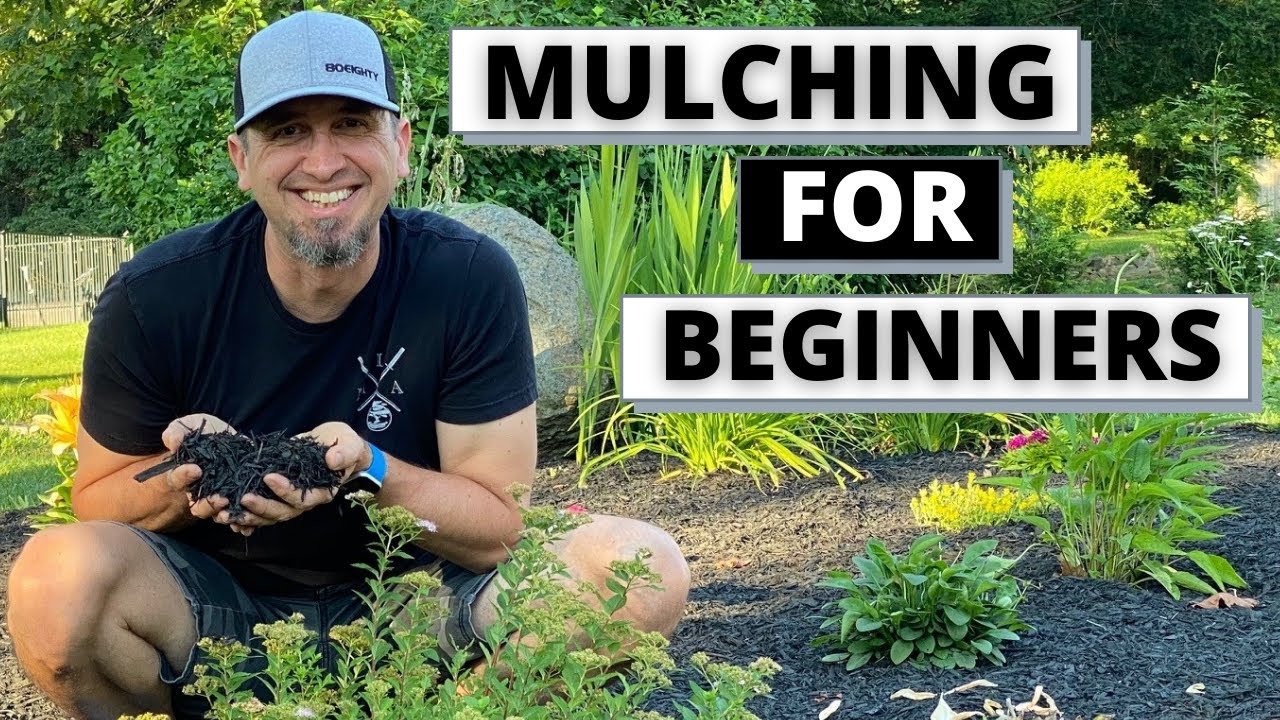
Spread 2–3 inches of mulch evenly around the plants, avoiding direct contact with stems.
Water the entire bed again lightly to help the mulch settle into place.
If using landscape fabric, lay it down before mulching and cut holes for each plant.
Use a wheelbarrow to transport mulch efficiently and reduce strain.
Wear gloves to protect your hands from thorns, splinters, or irritants in the mulch.
Avoid overwatering after planting; check soil moisture before watering again.
Use slow-release fertilizer if desired, following package instructions.
Keep mulch a few inches away from plant stems to prevent rot and pests.
Check the bed weekly for weeds and remove them promptly to maintain low maintenance.
Replenish mulch as needed throughout the season to maintain coverage and moisture retention.