Select a flat, sunny area in your yard that receives at least 6 hours of sunlight daily.
Use a tape measure to mark the desired dimensions of your raised bed on the ground.
Wear safety glasses and gloves before using a circular saw to cut the boards to your measured lengths.
Align the boards to form a rectangle and drill pilot holes at the corners to prevent splitting.
Secure the corners with wood screws using a power drill, or add corner brackets for extra strength.
Use a level to ensure the frame is even on all sides; adjust the ground beneath if needed.
Place the assembled frame in your chosen location and check again for level.
Lay weed barrier fabric inside the frame to prevent grass and weeds from growing up into the bed.
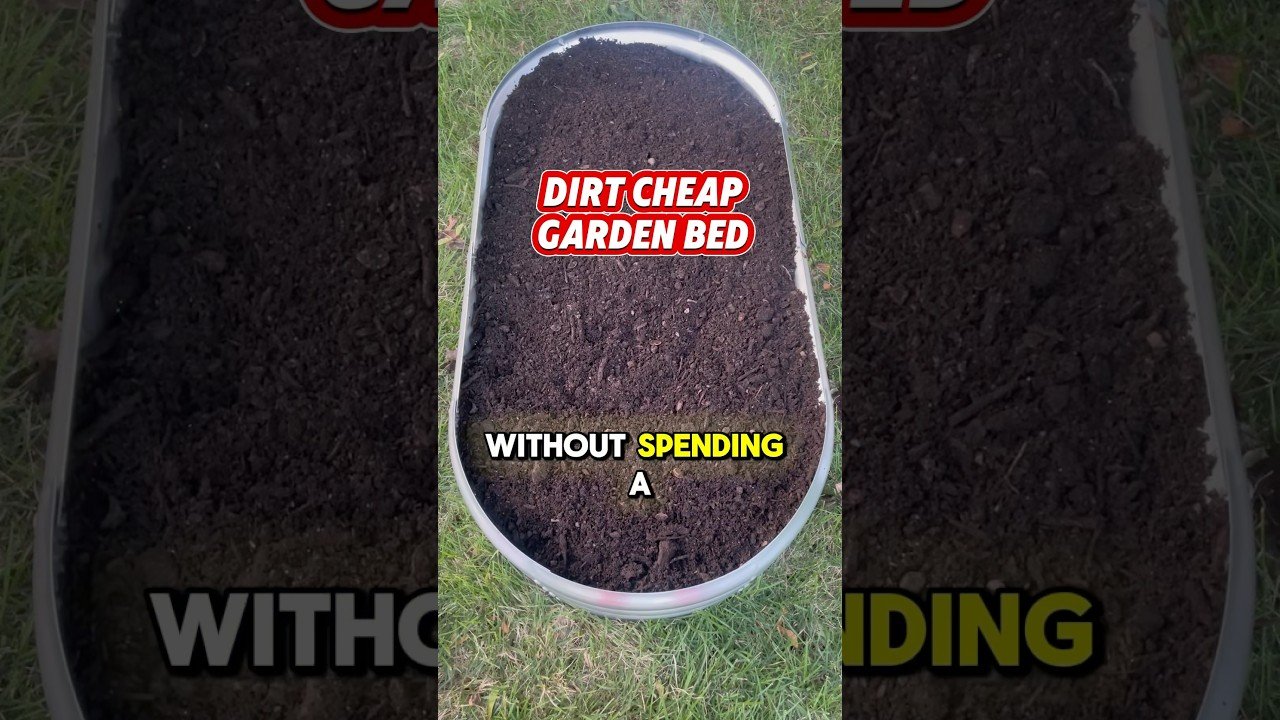
Fill the bed with a mix of quality garden soil and compost, leaving a few inches from the top.
Lightly water the soil to help it settle and check for any low spots that need more soil.
Smooth the soil surface with your hands or a rake to prepare for planting.
Plant your chosen seeds or seedlings according to their spacing and depth requirements.
Water the newly planted area gently to avoid disturbing seeds or roots.
Label your plants if needed to keep track of what you planted where.
Check the bed regularly for moisture and water as needed, especially in dry weather.
Add mulch on top of the soil to help retain moisture and reduce weed growth.
Inspect the wooden frame periodically for signs of wear or rot and repair as needed.
Avoid using treated lumber to prevent chemicals from leaching into your soil.
Keep pets and children out of the bed until plants are established.
Enjoy harvesting your homegrown vegetables or flowers when they mature.